Photographic essay
Heróis Invisíveis
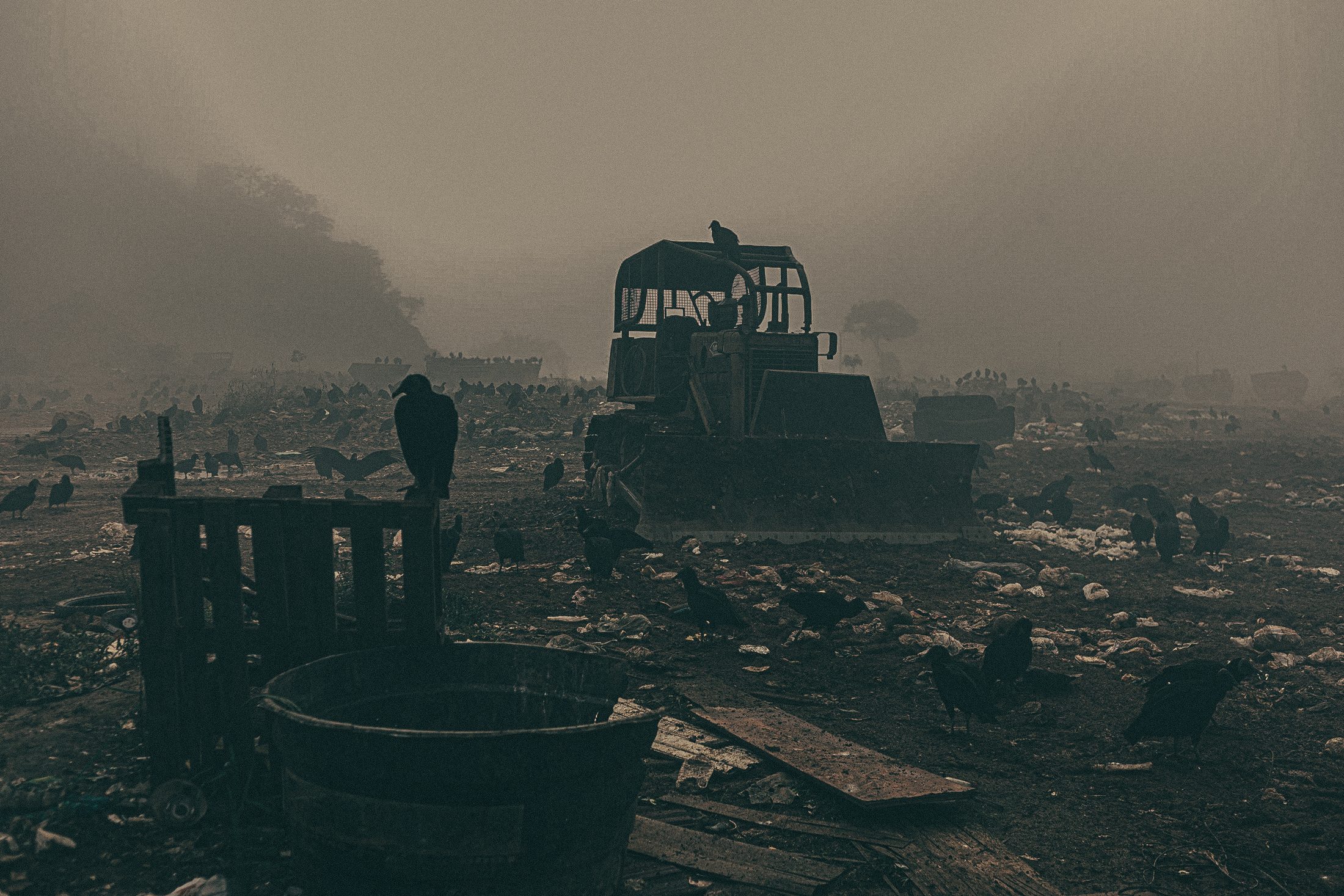
A few years ago, I began separating the waste I produce. Organic waste went into the compost bin; recyclable materials were set aside for collection. Still, one question remained: how much longer can our only home, this planet, withstand what we throw away?
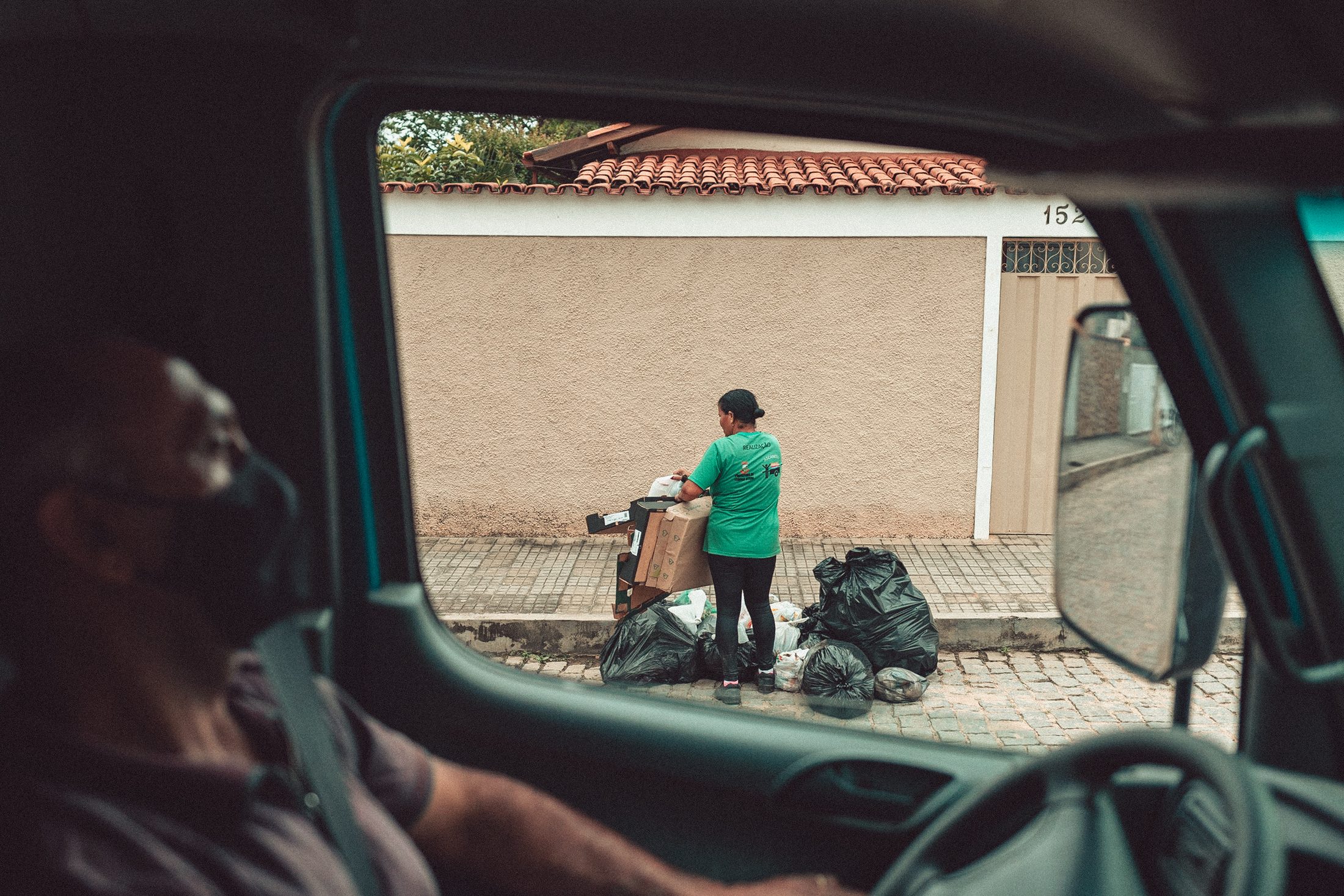
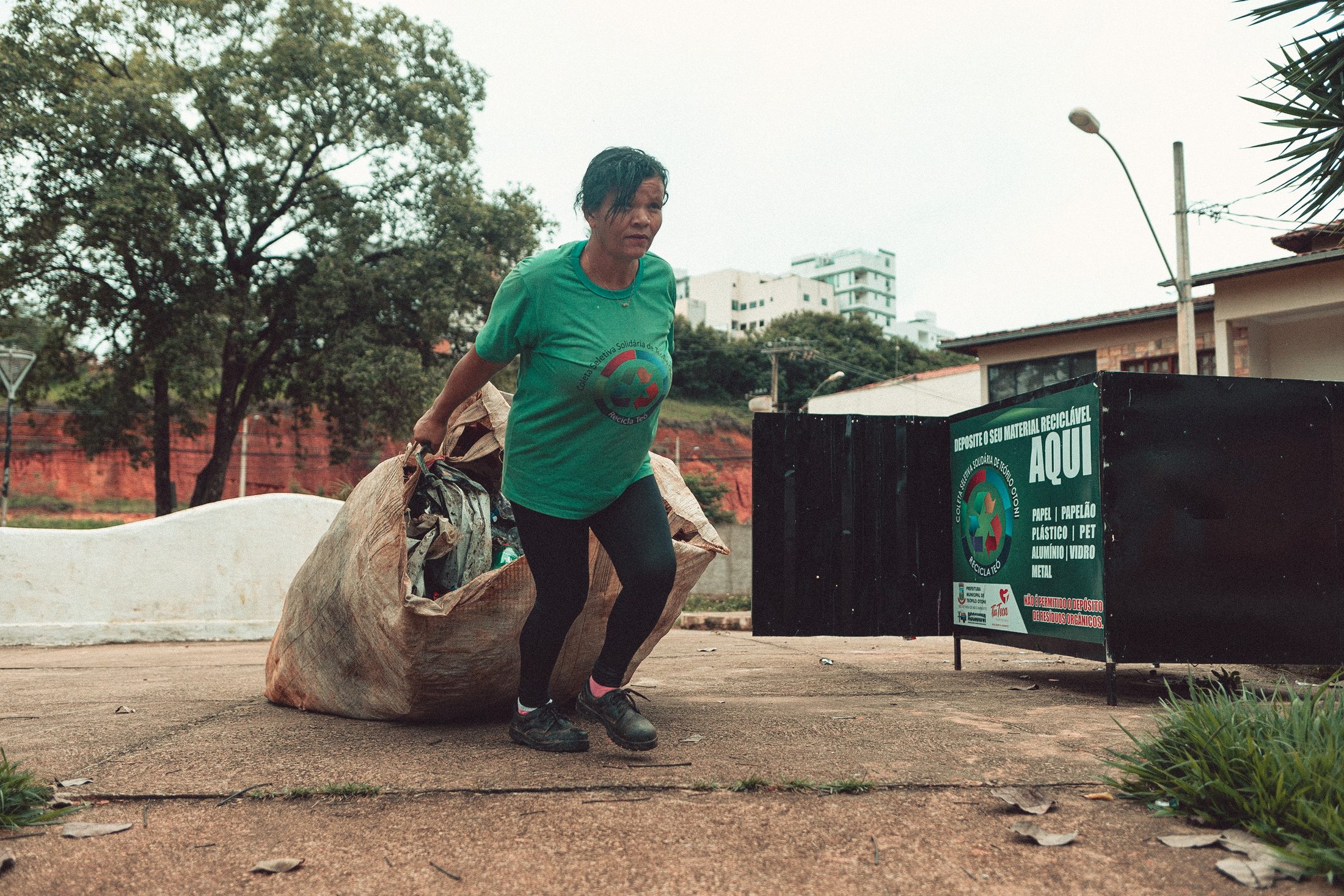
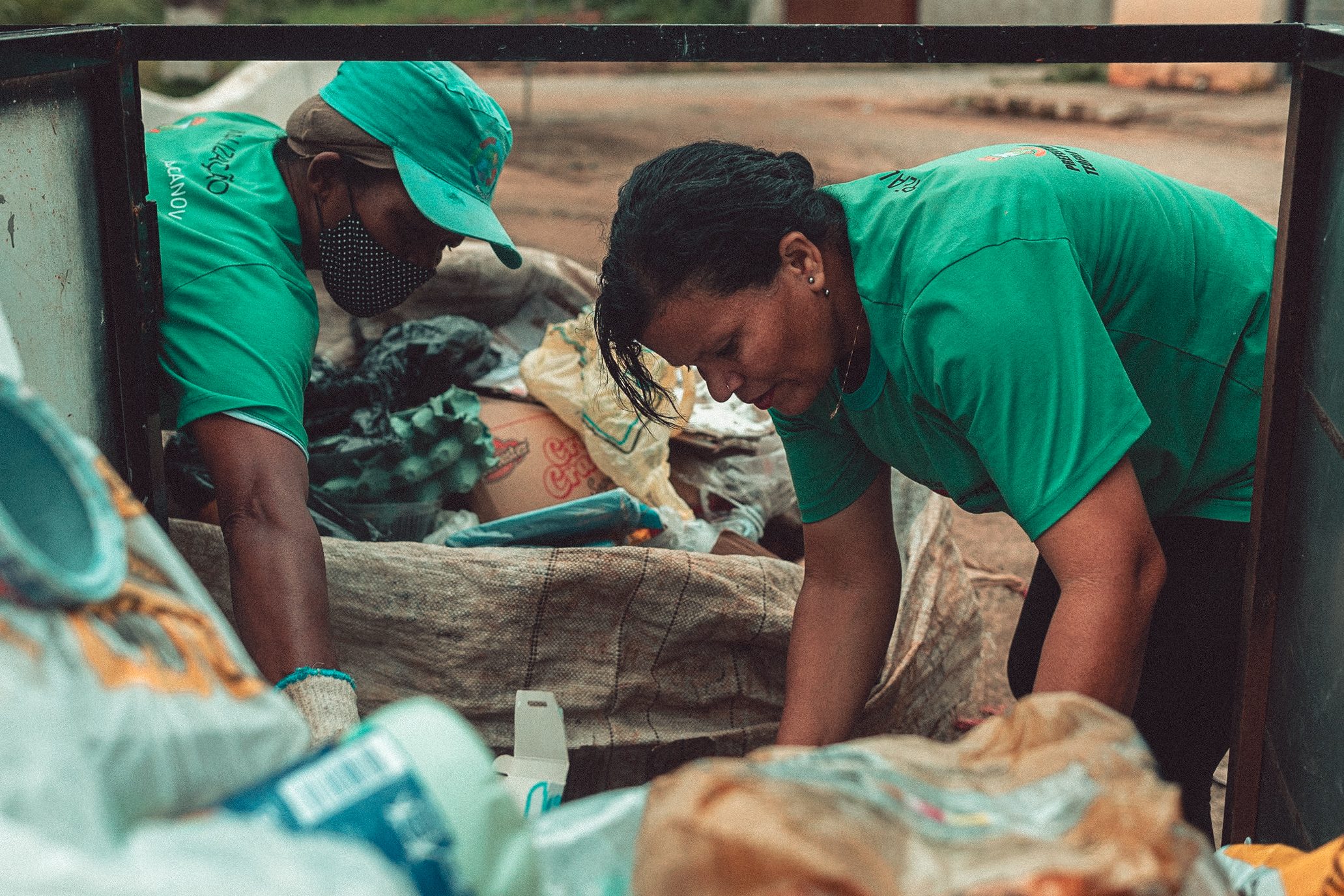
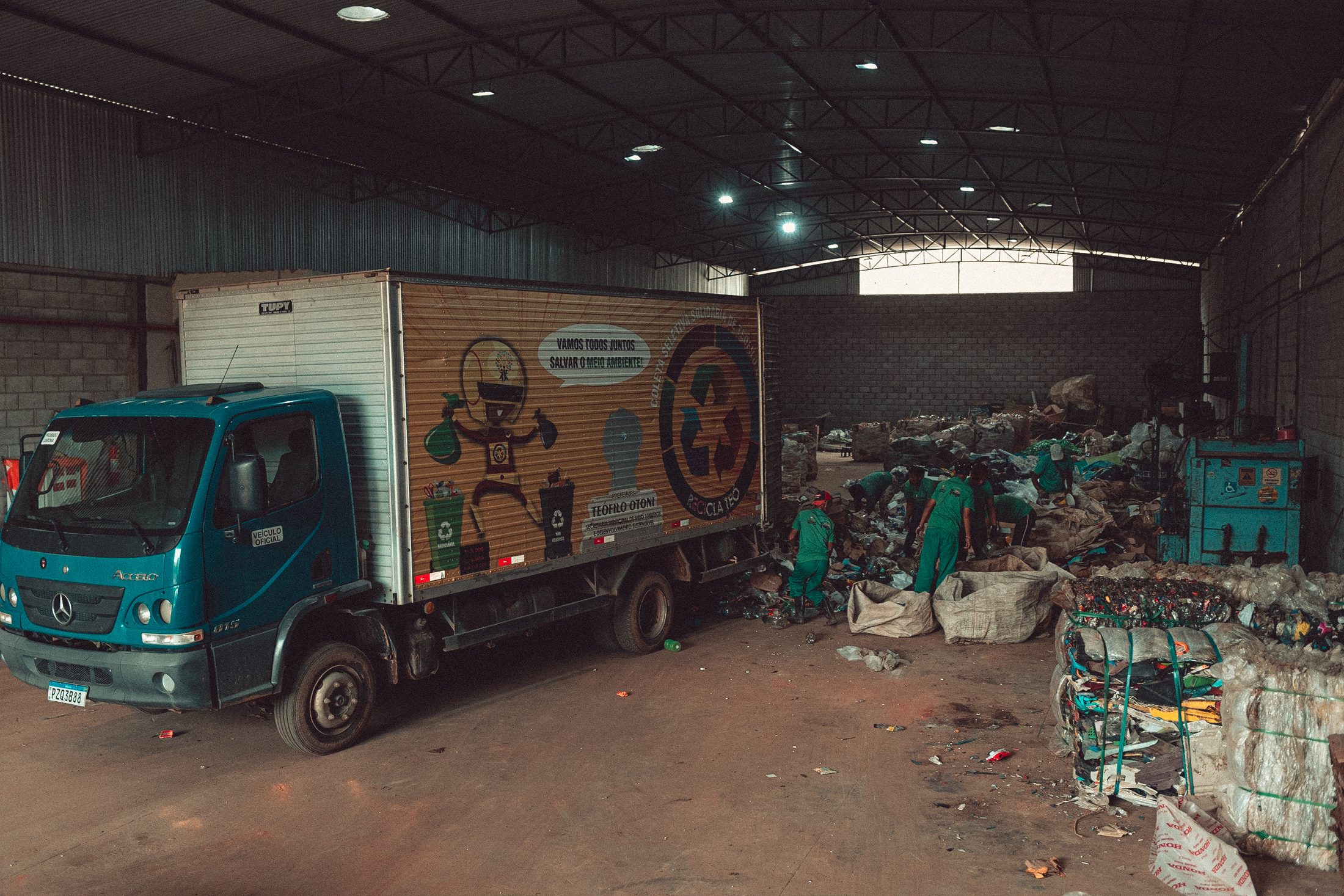
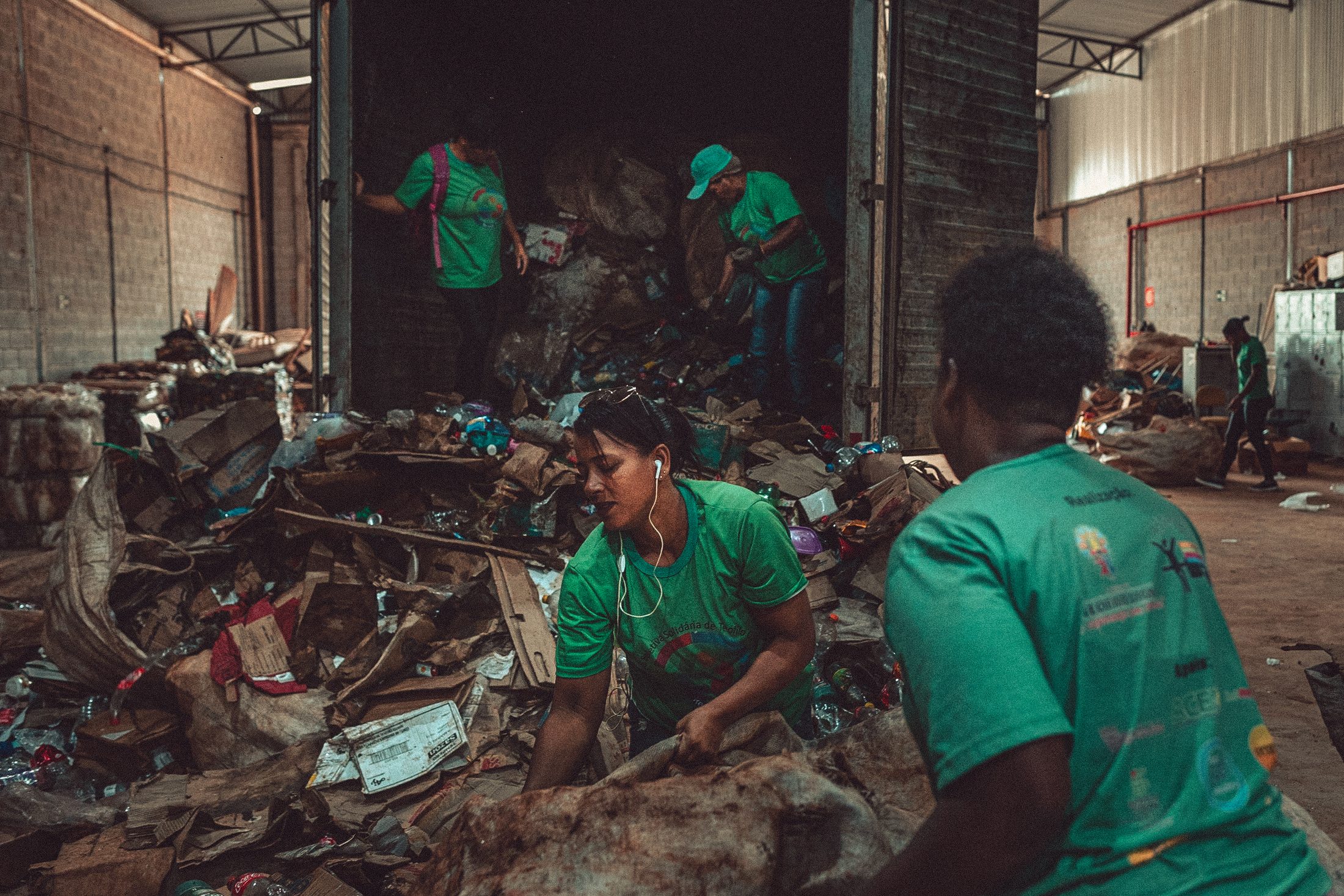
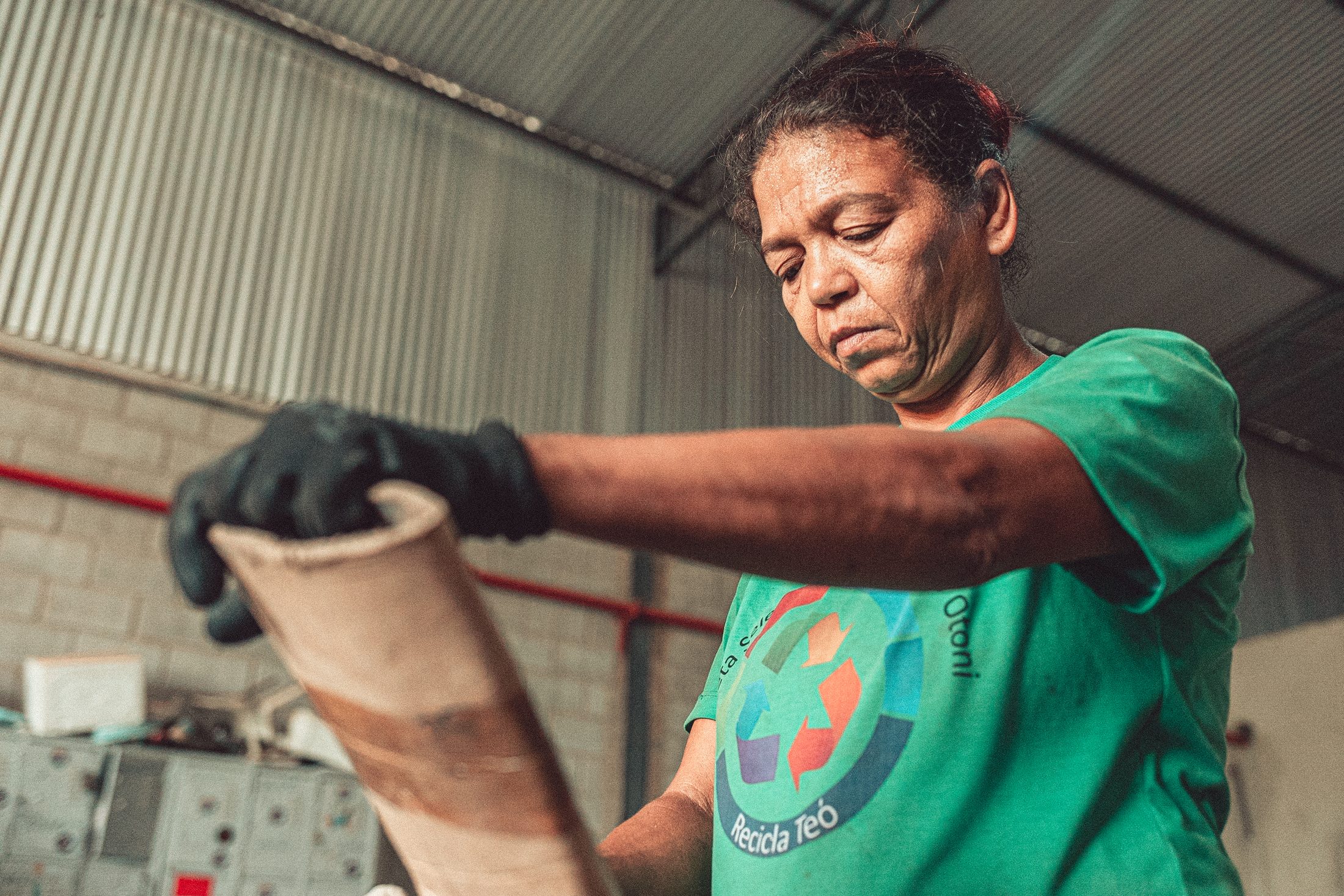
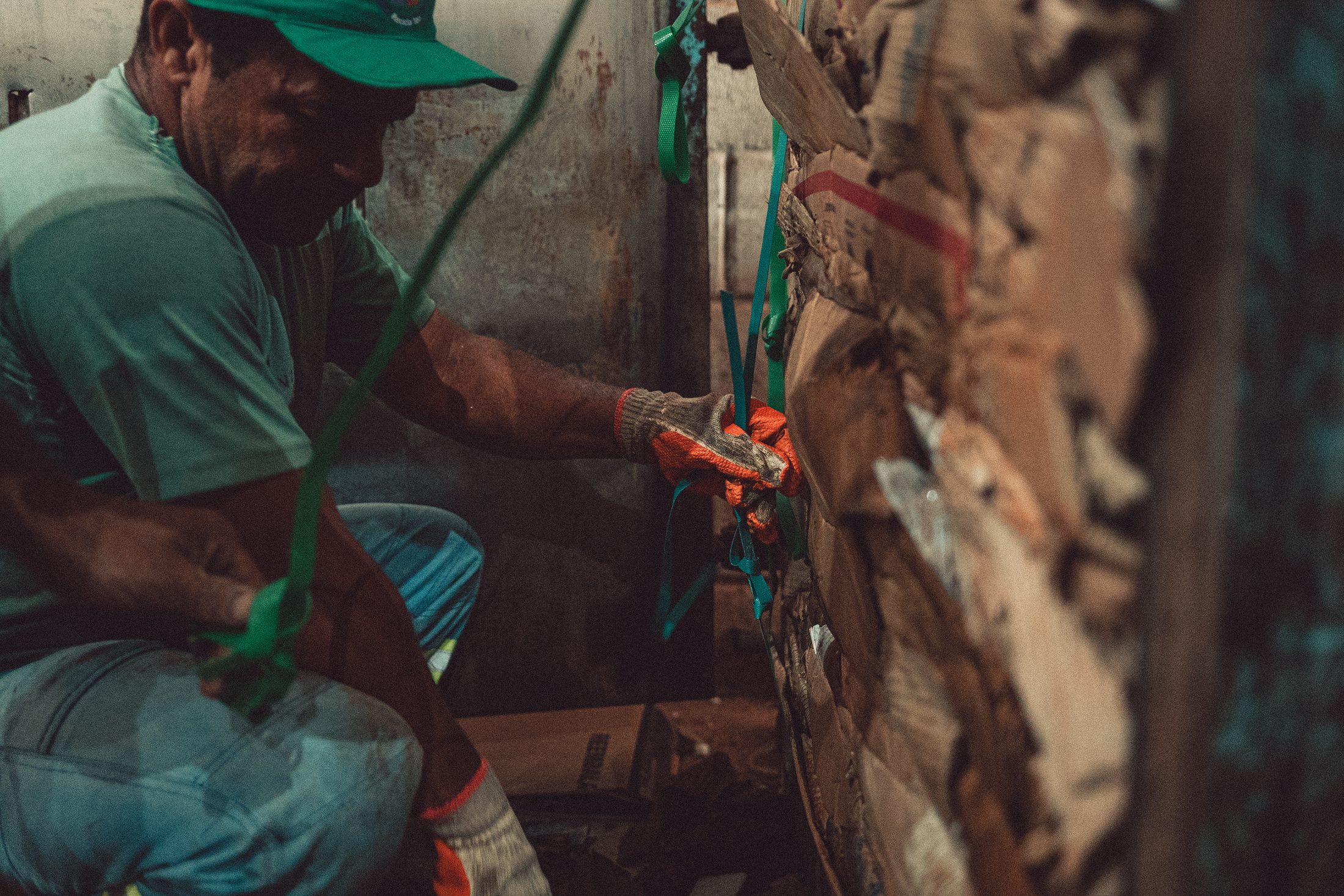
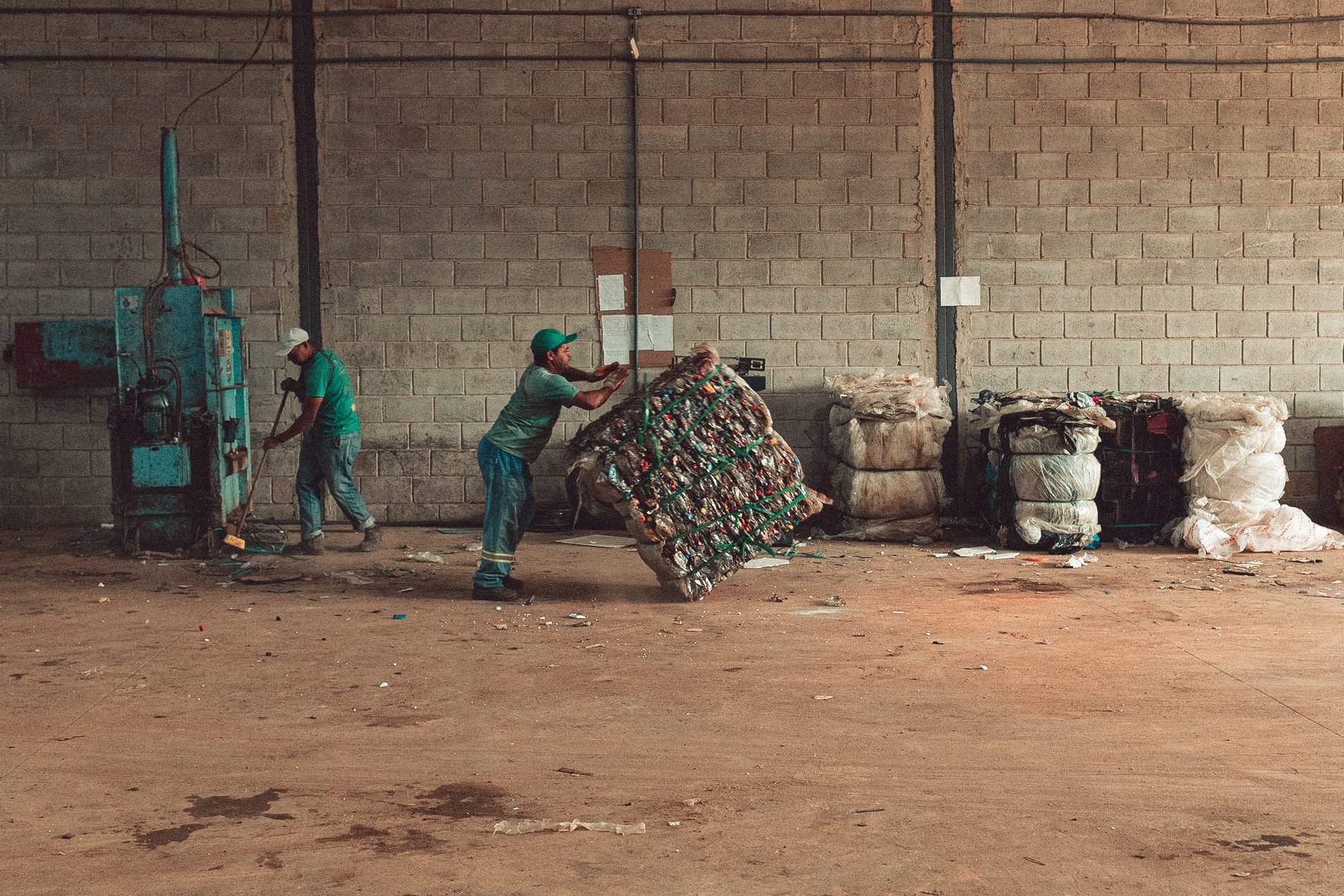
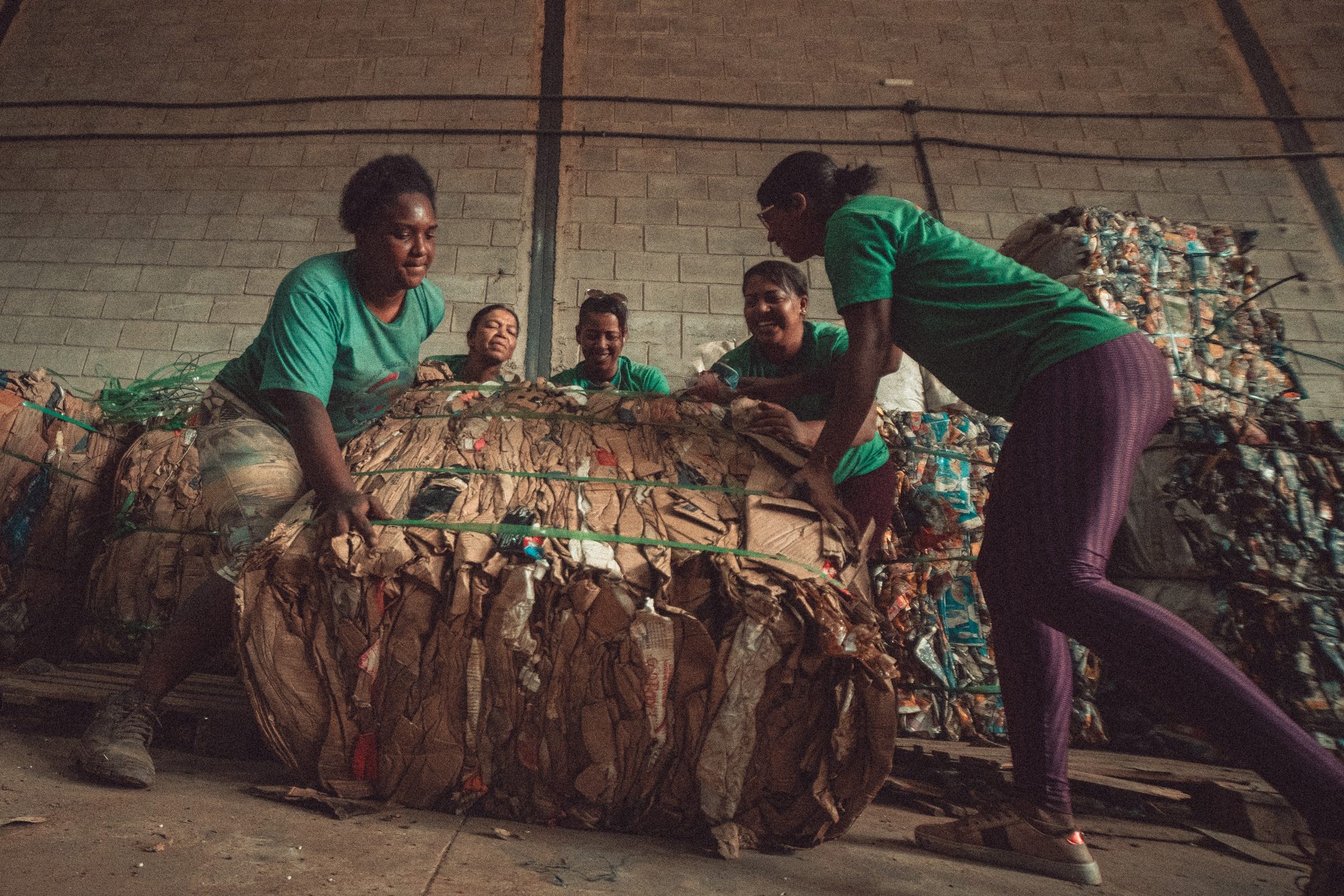
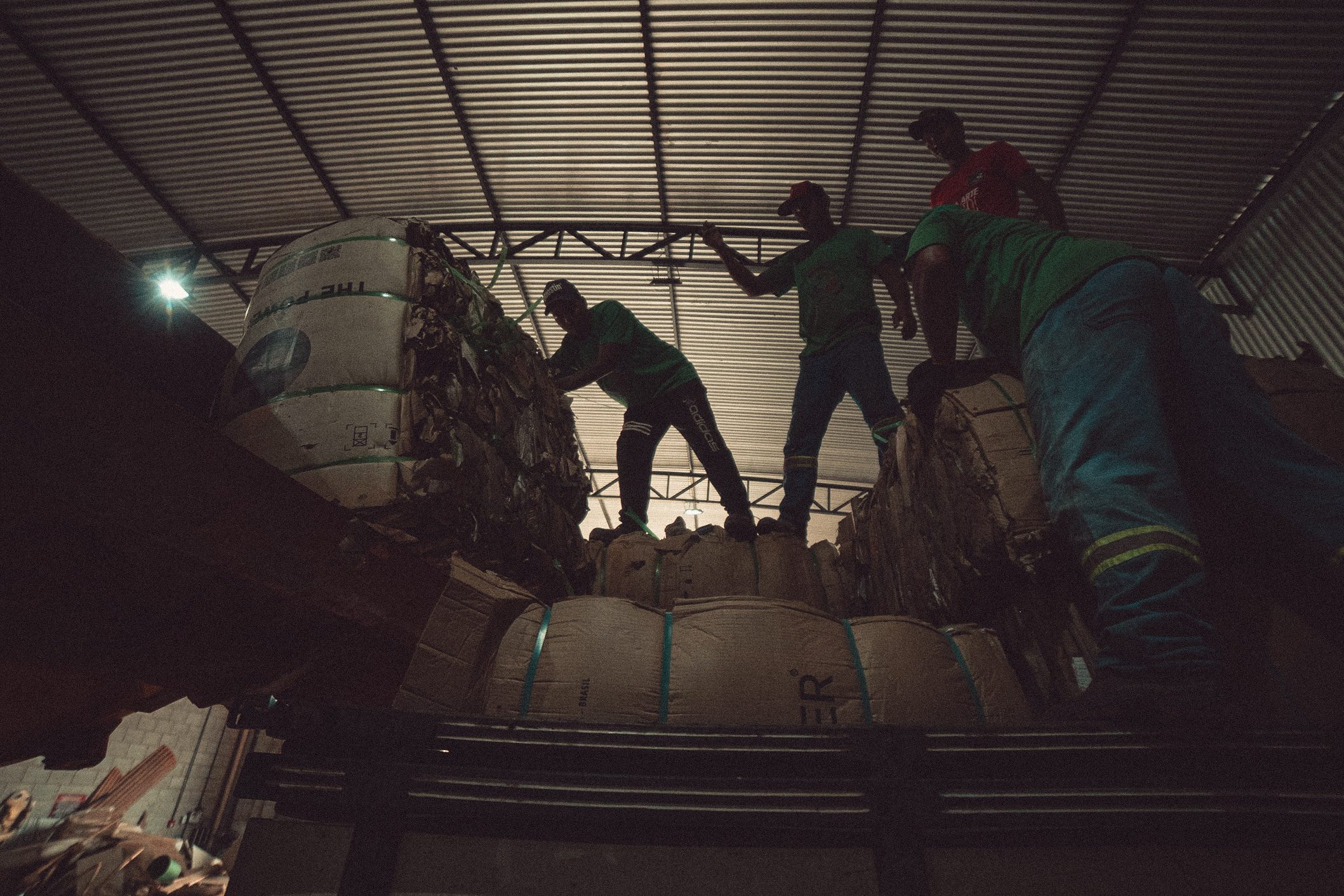
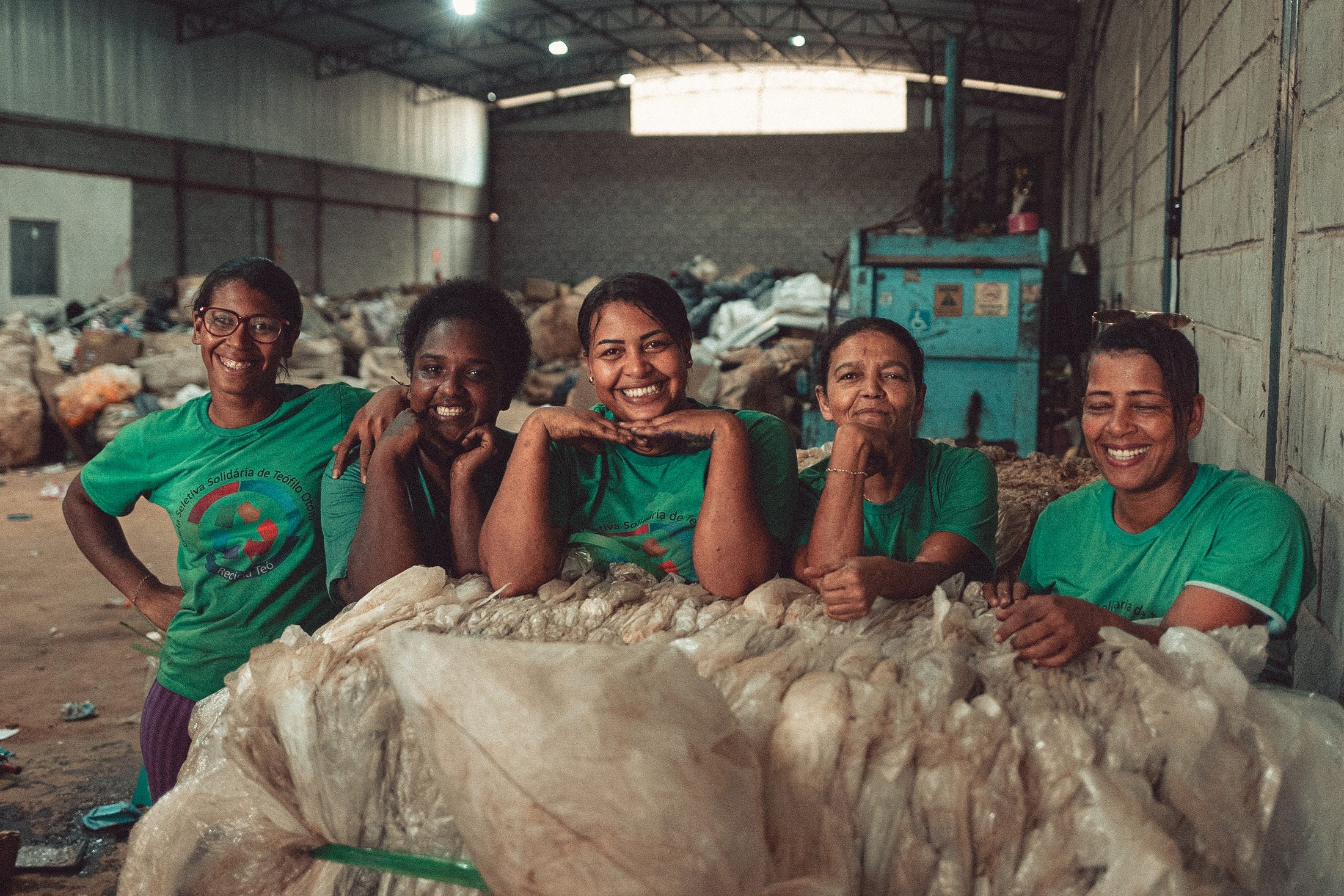
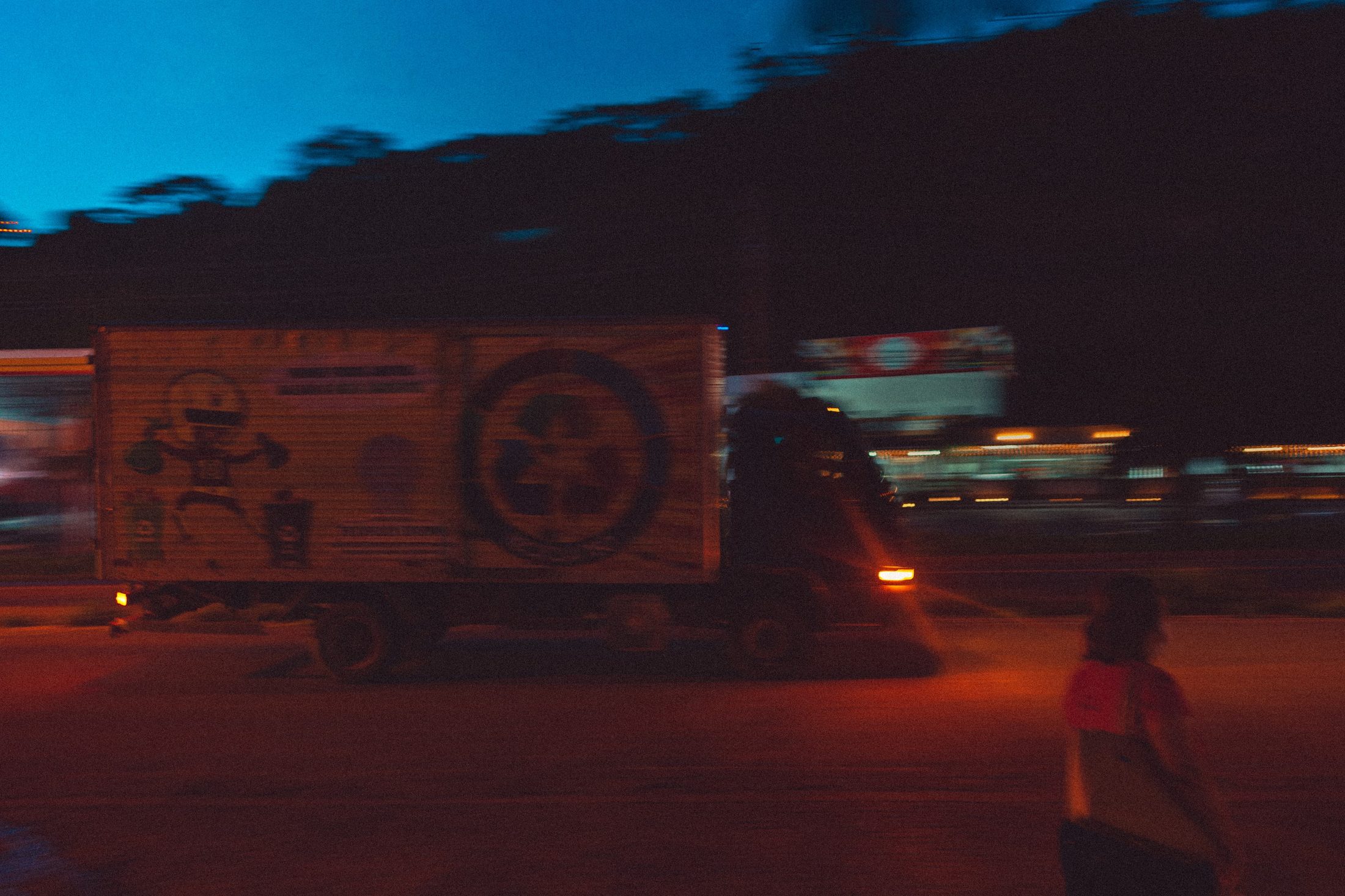
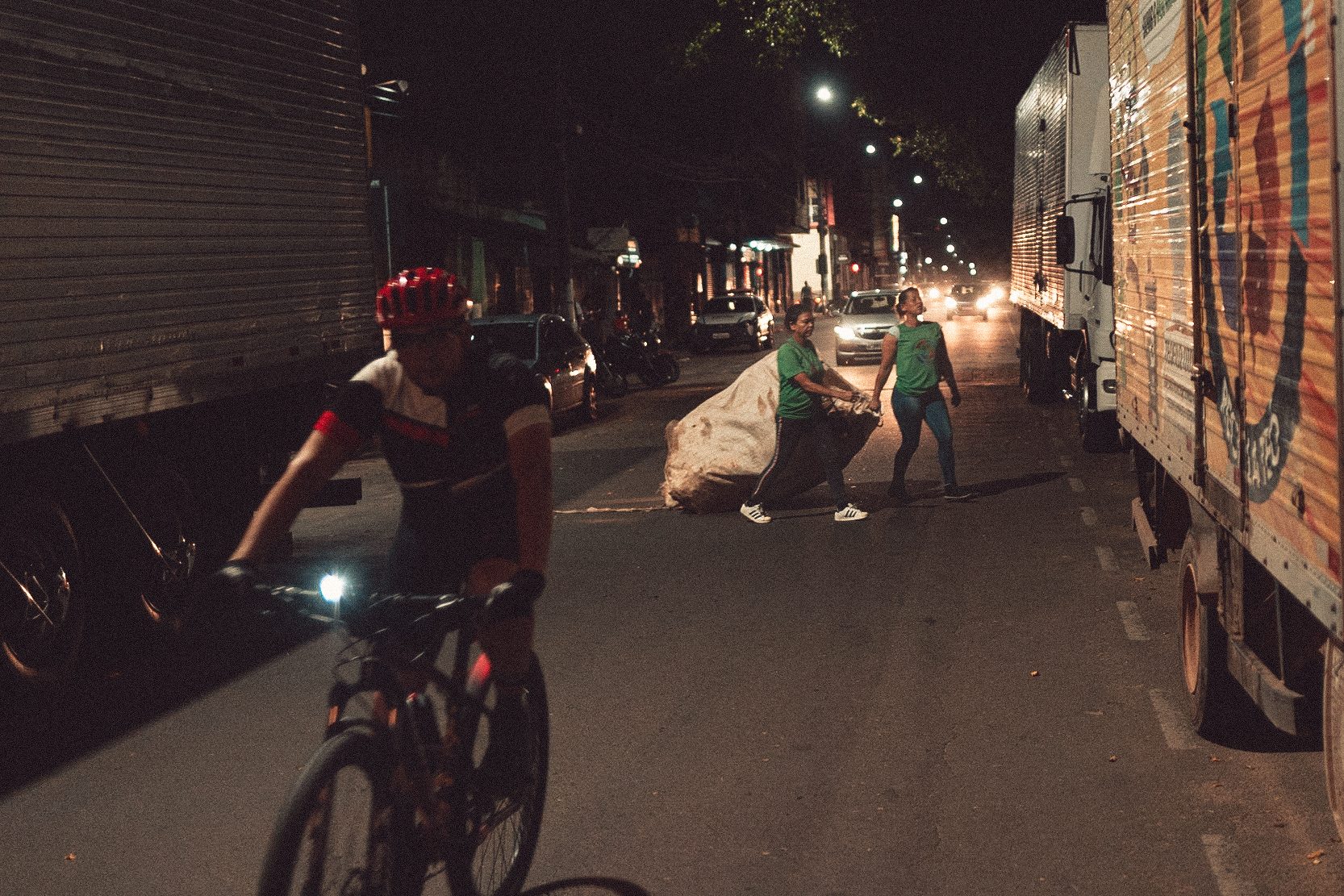
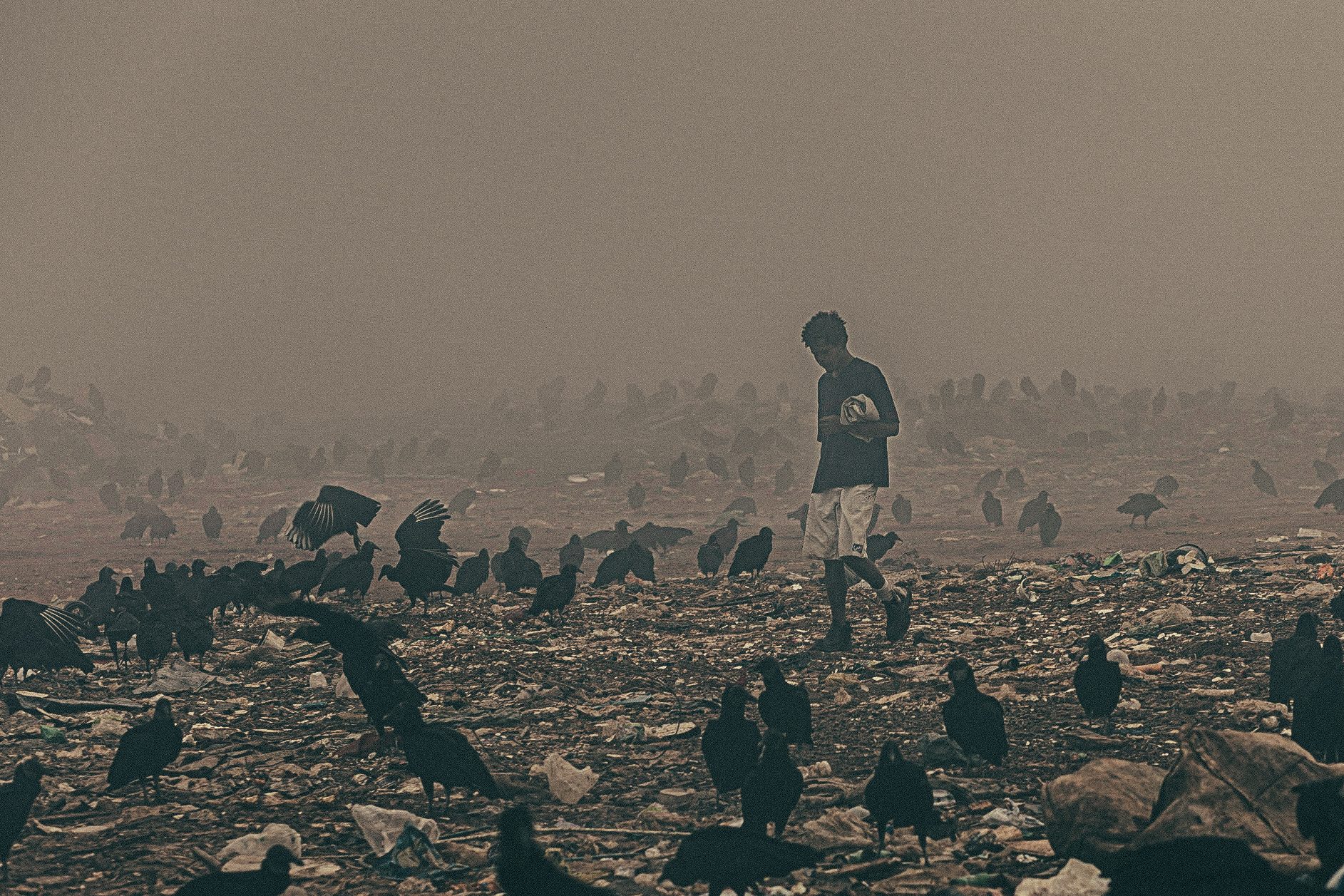
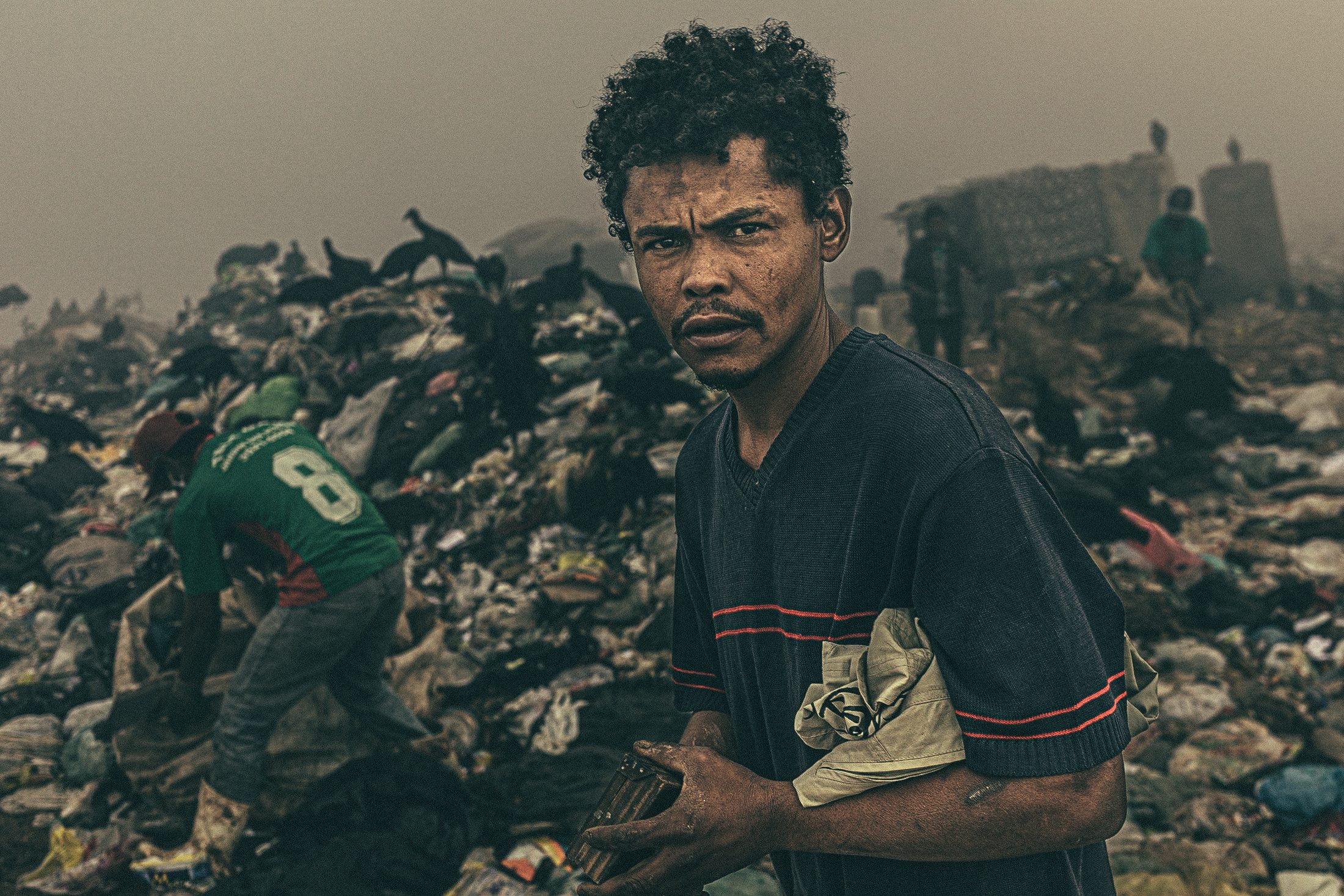
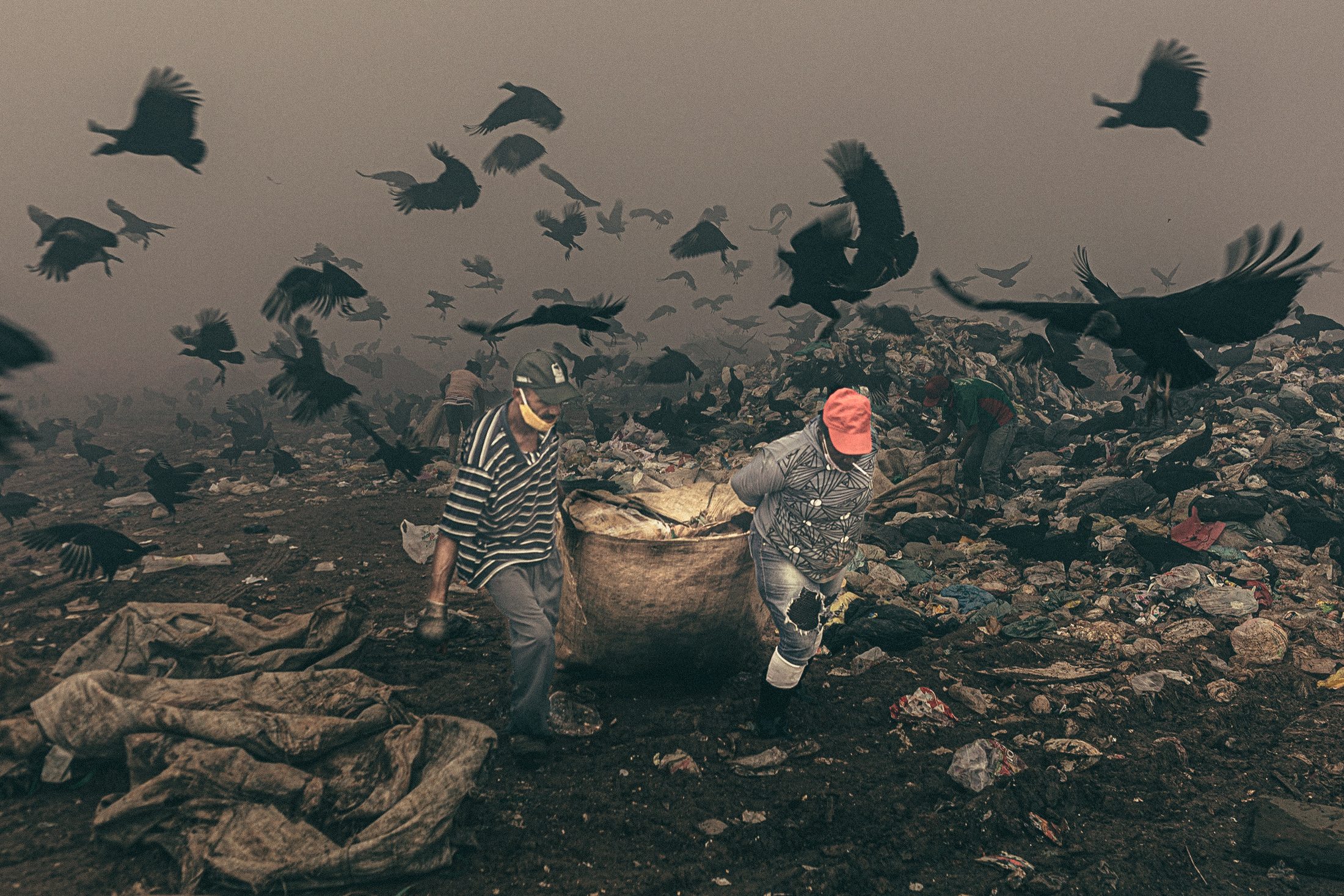
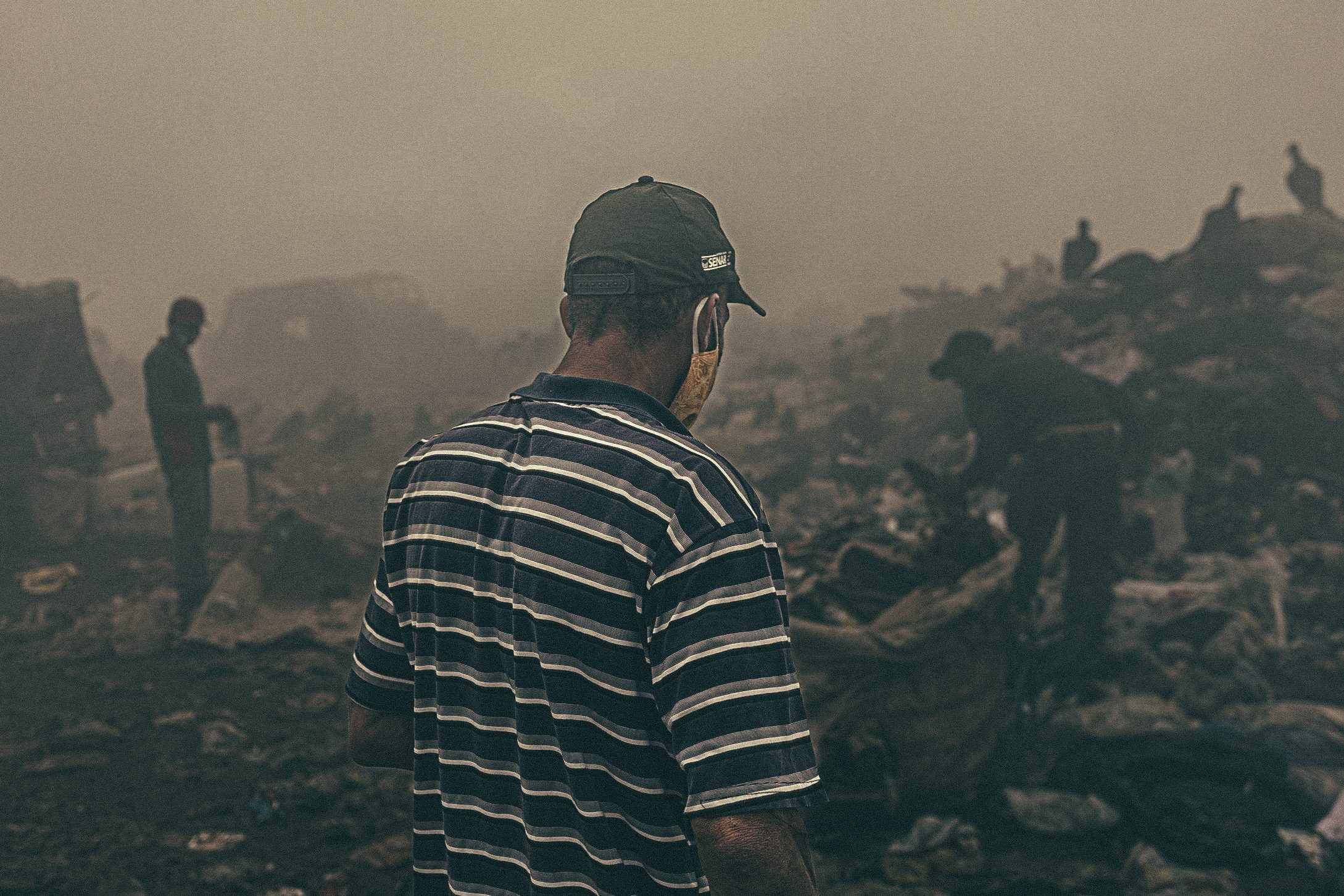
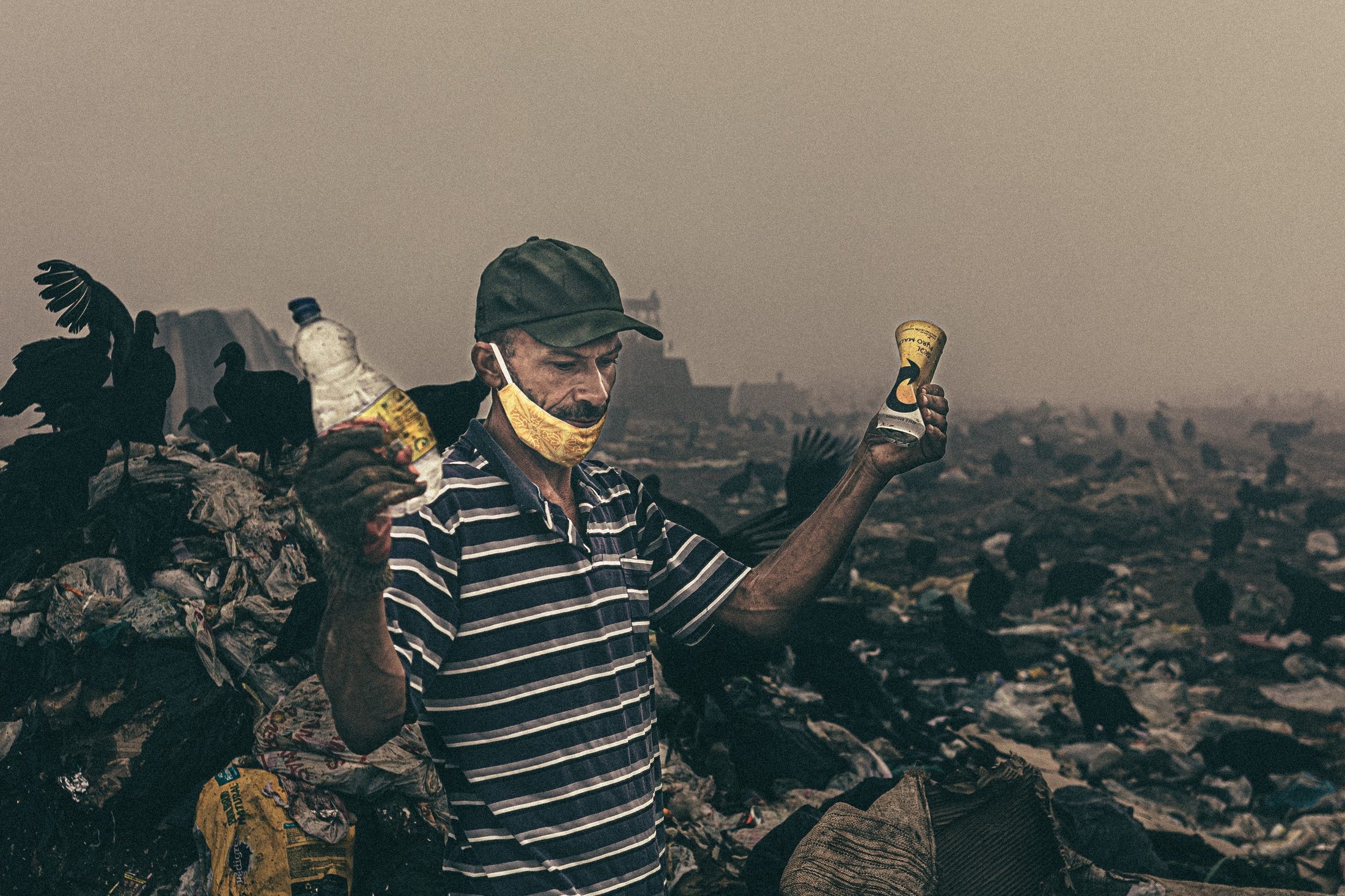
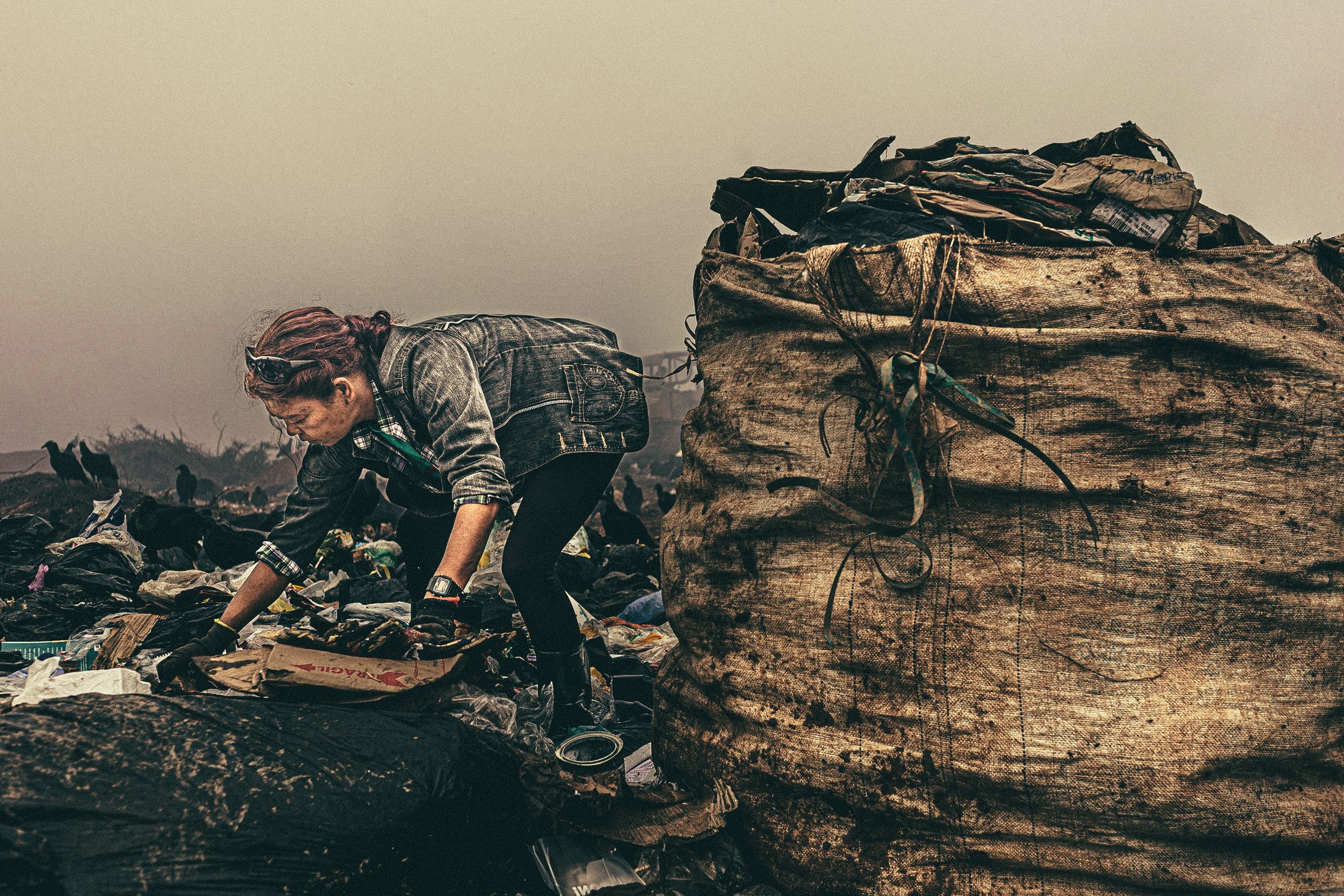
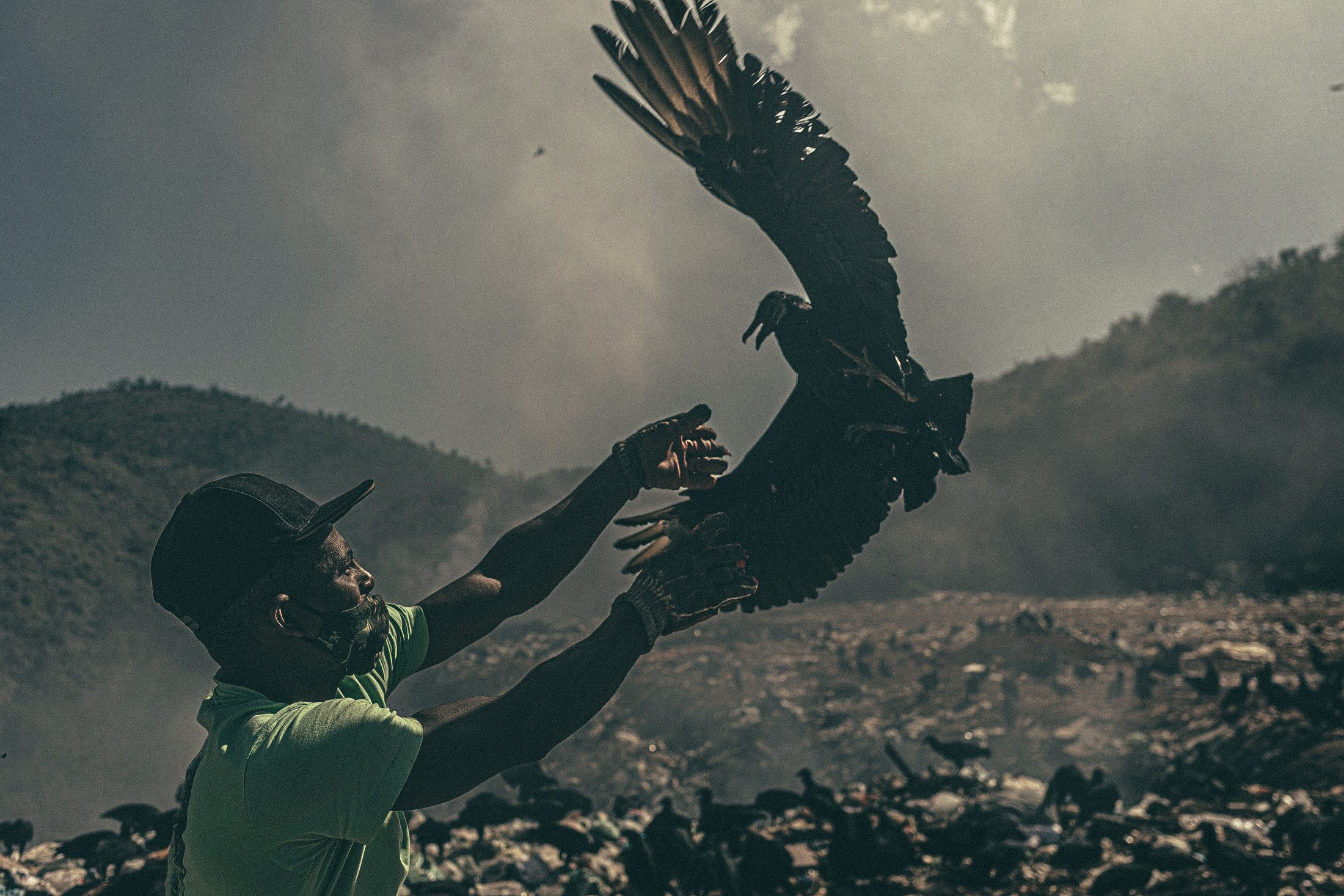
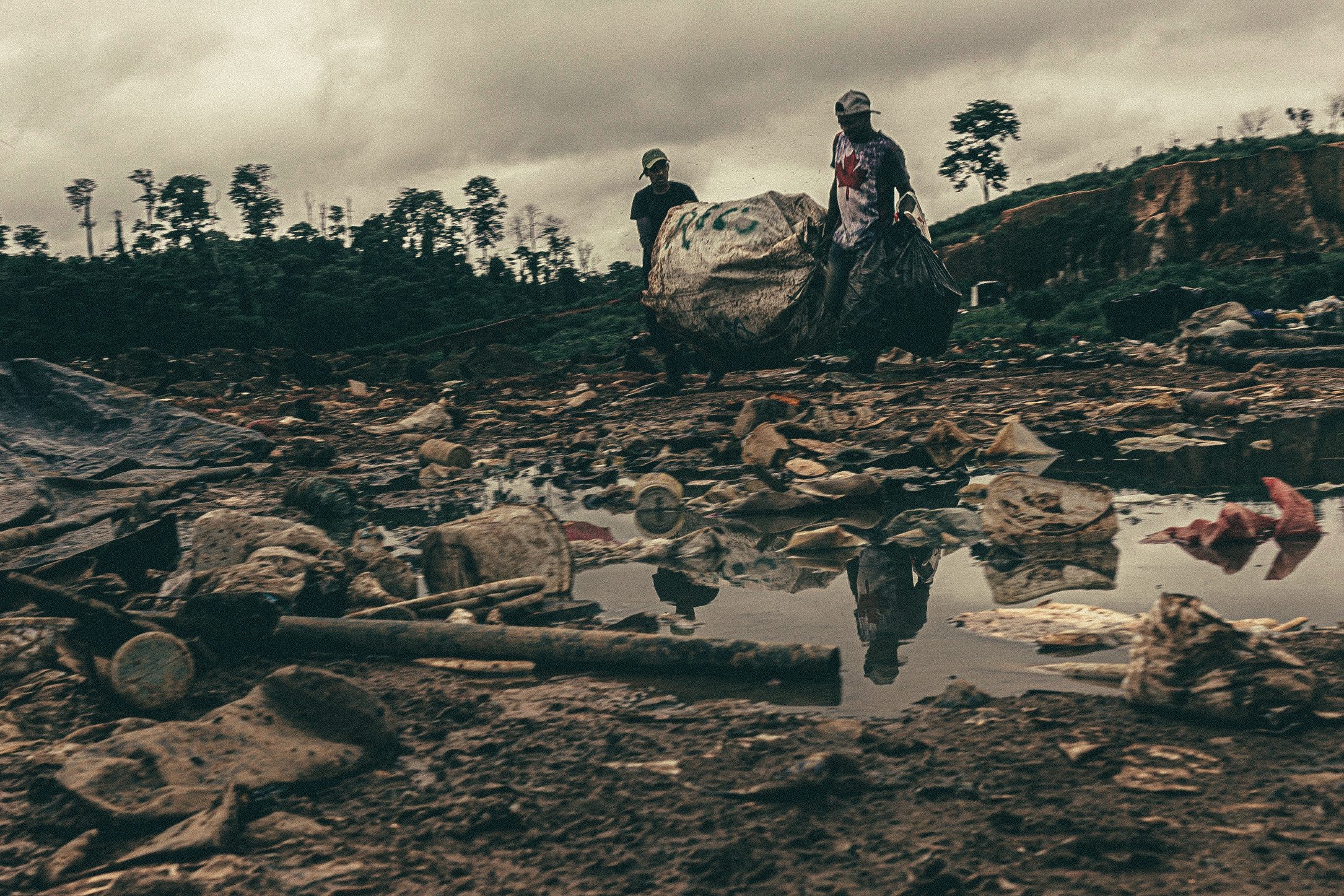
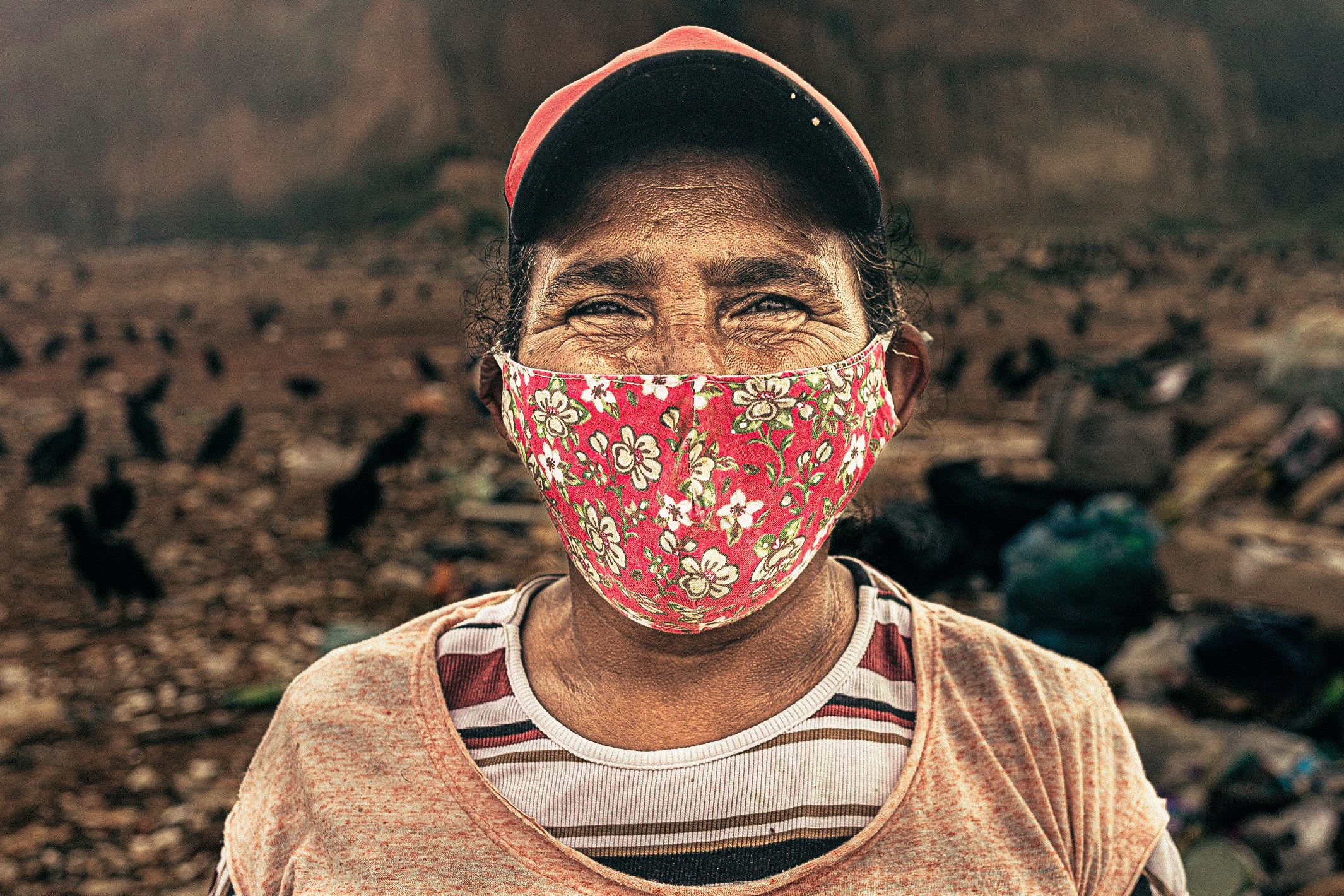
Heróis Invisíveis grew out of that concern. In Teófilo Otoni, in the Mucuri Valley of Minas Gerais, Brazil, I began following the work of women and men who earn their living collecting recyclable materials. I wanted to understand the journey of our waste, from our homes through collection and sorting.
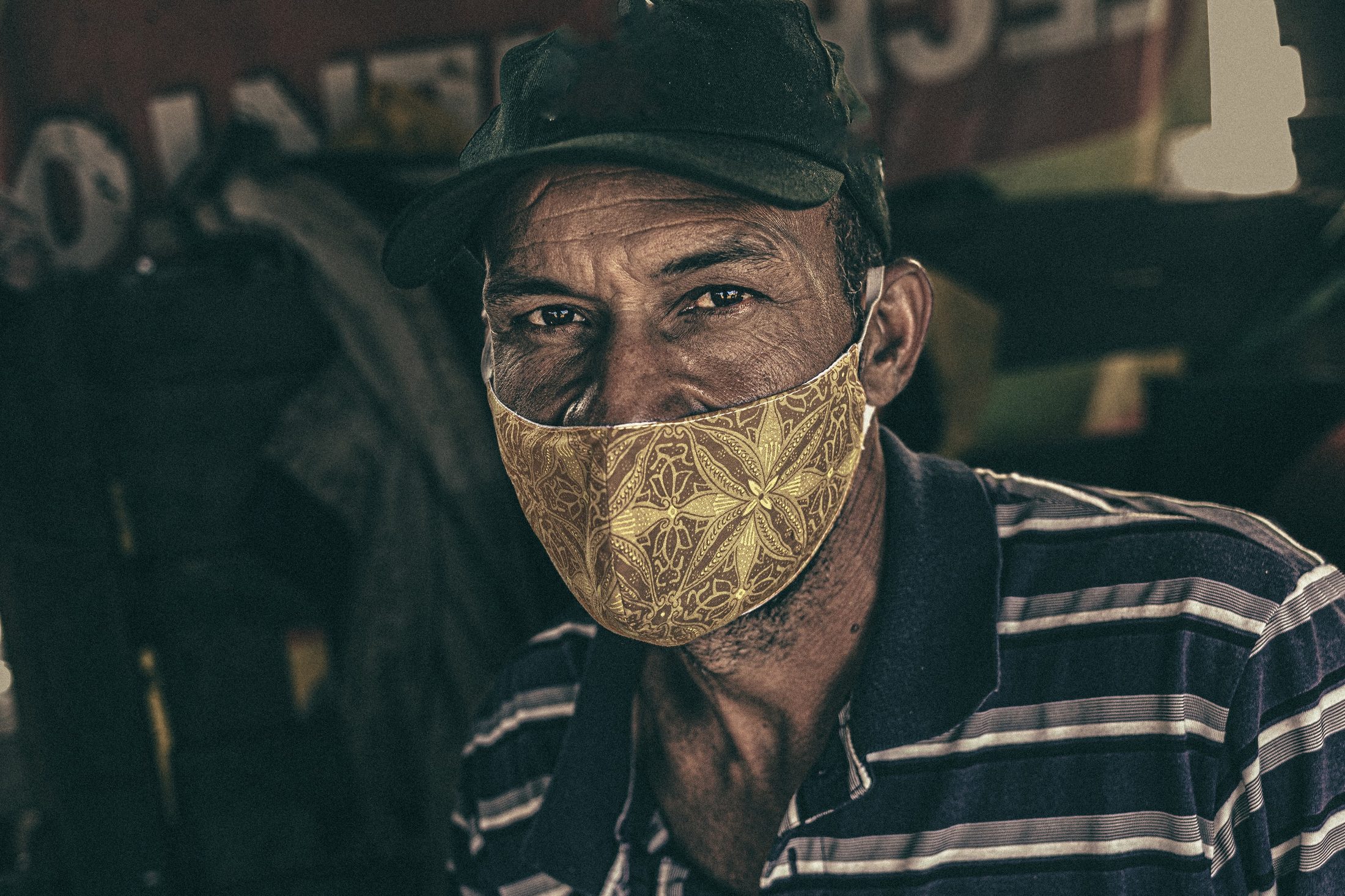
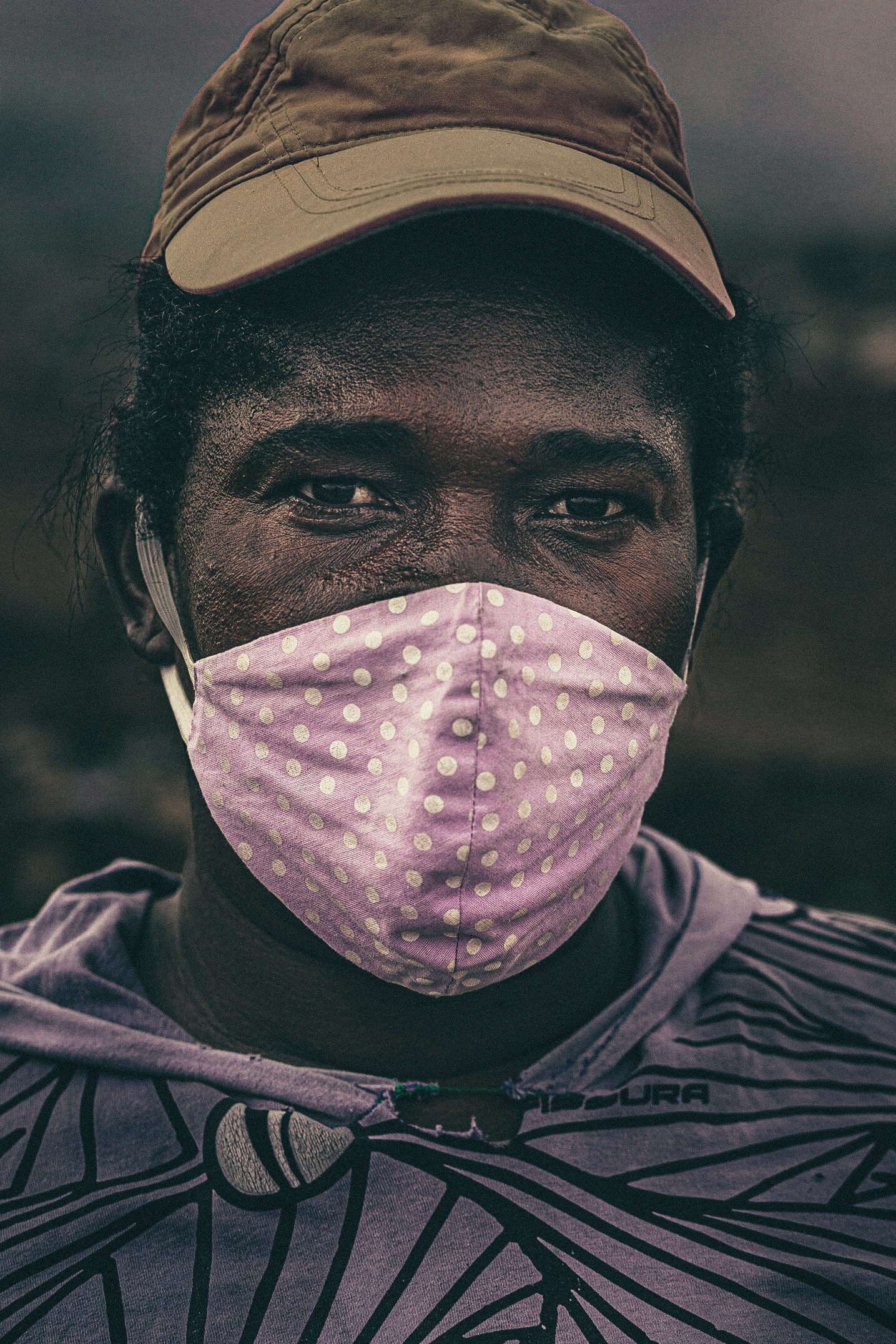
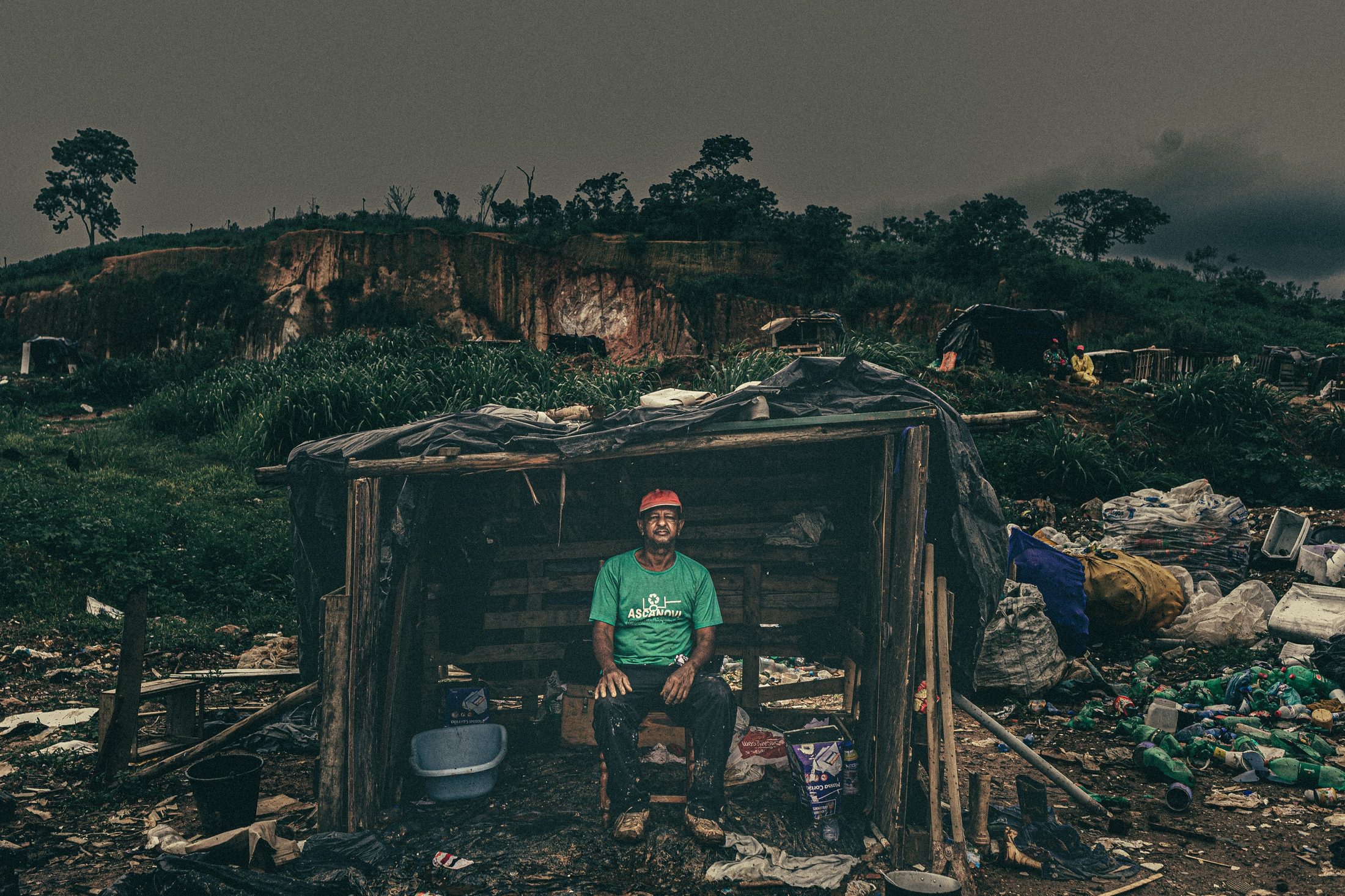
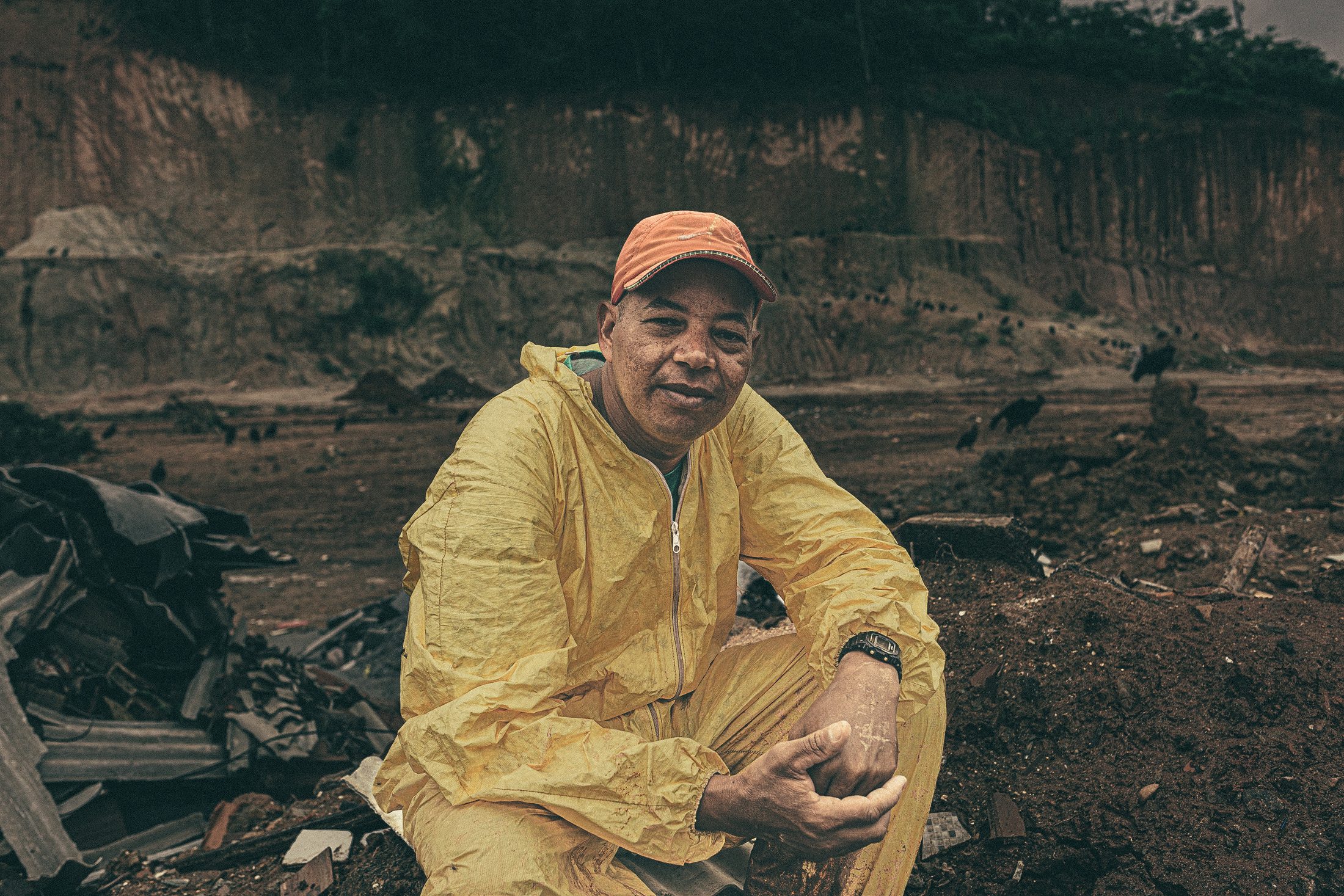
At first, I imagined a more technical investigation. But meeting those people changed the project. What I sought to understand came to include their stories, their relationships, and their living conditions. It was unsettling to realise how close that reality was to me, and how little I knew about it.
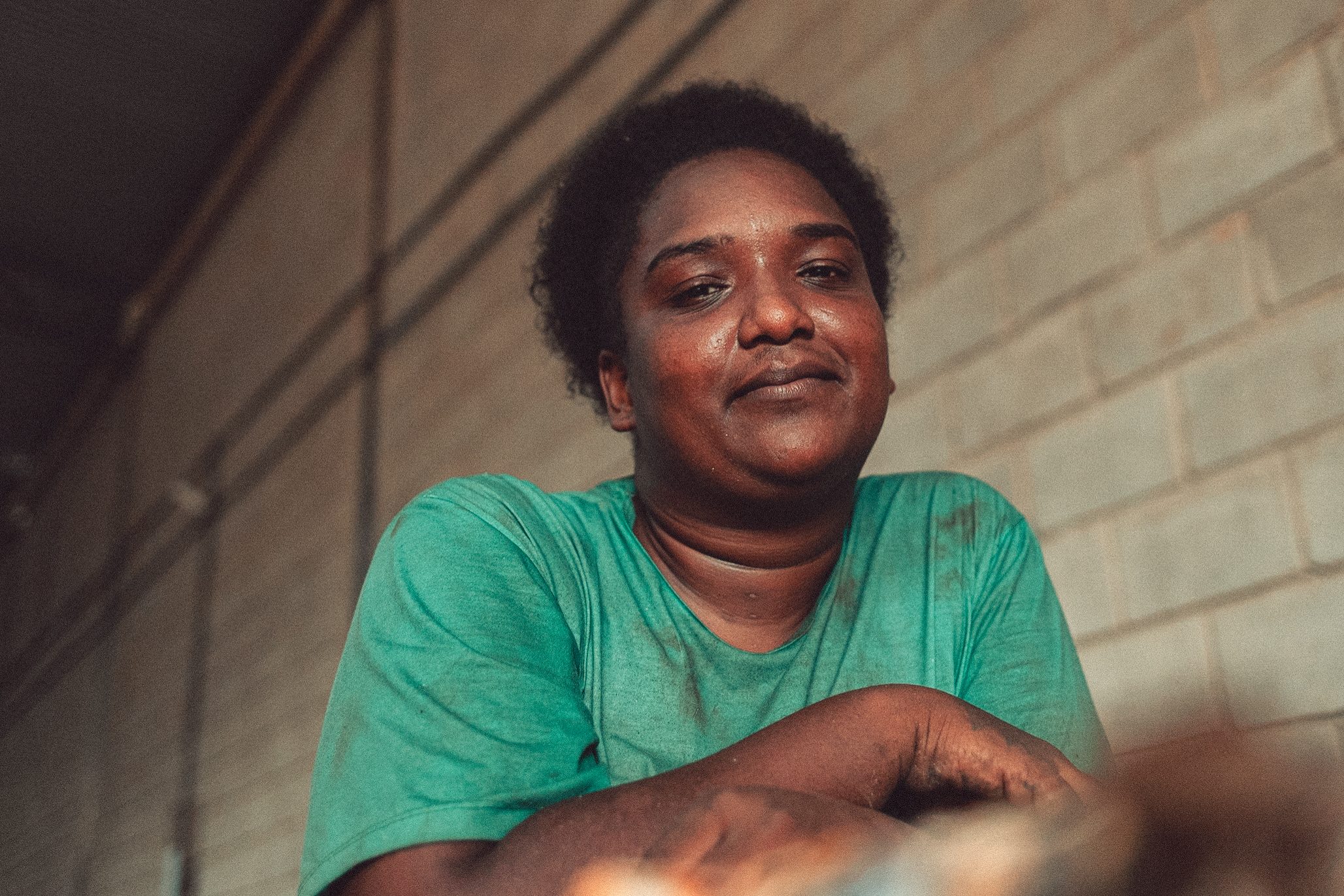
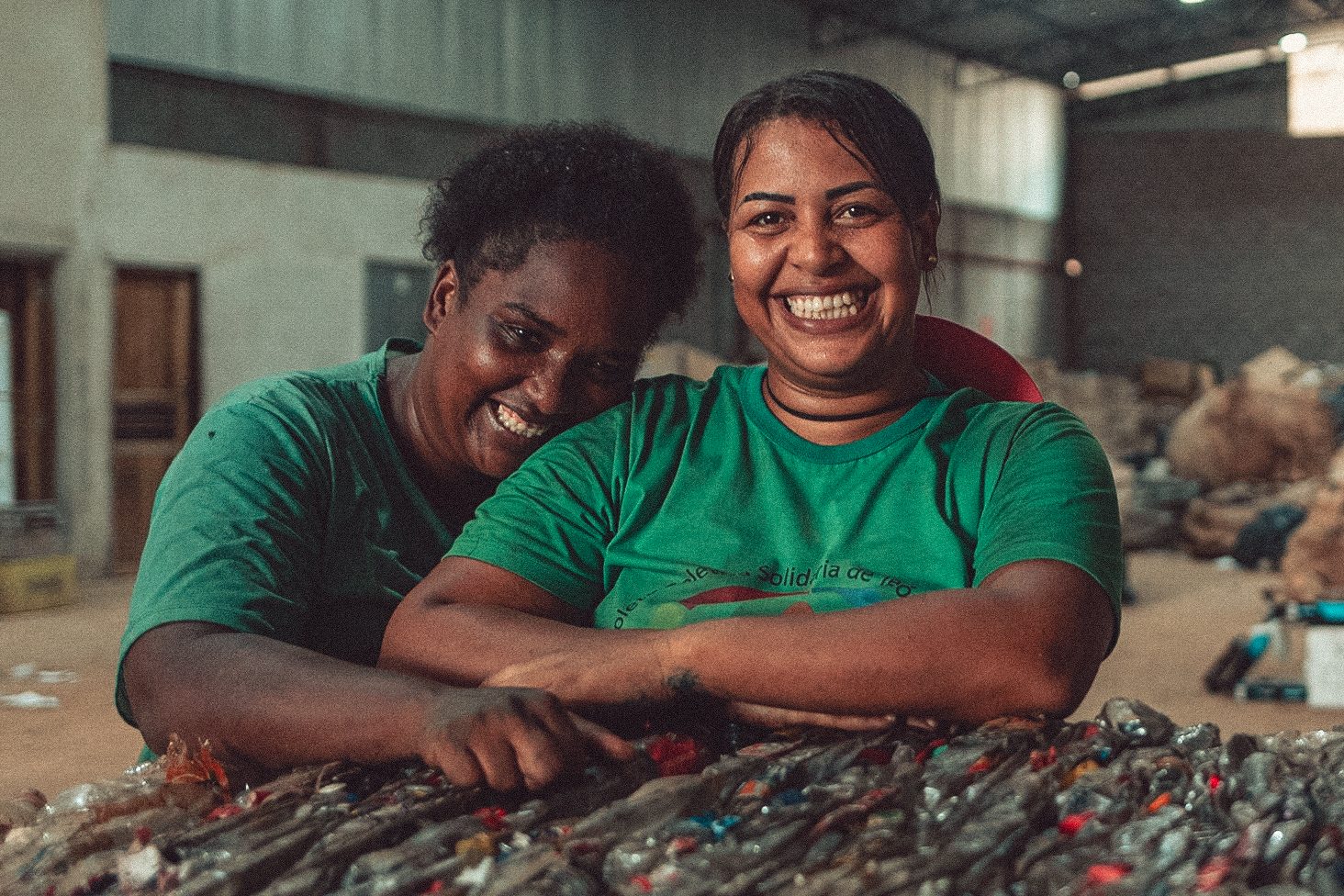
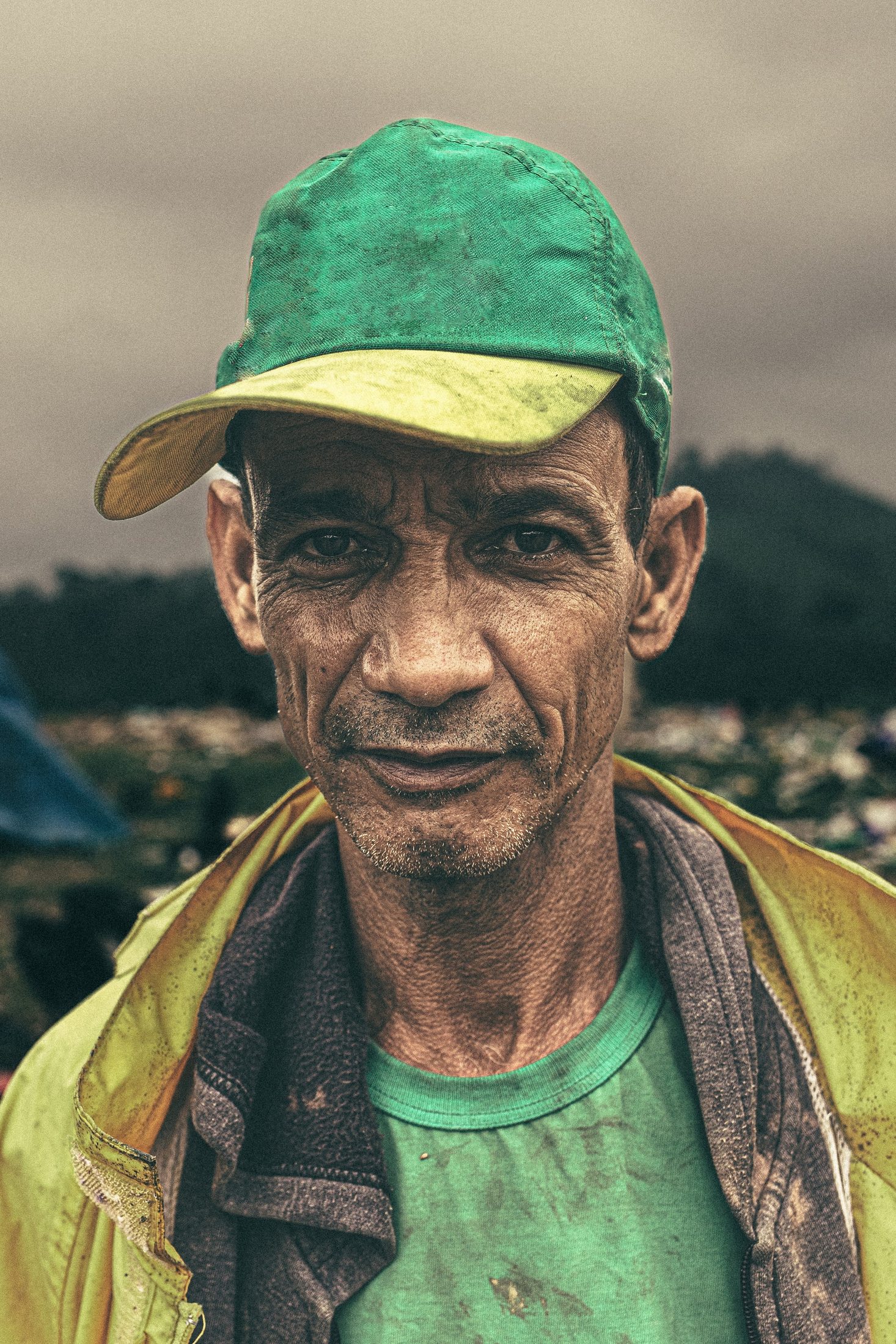
The photographs follow the effort of the work, but also the looks, gestures, and moments of affection. Along the way, I wanted to make room for people beyond the work they do.
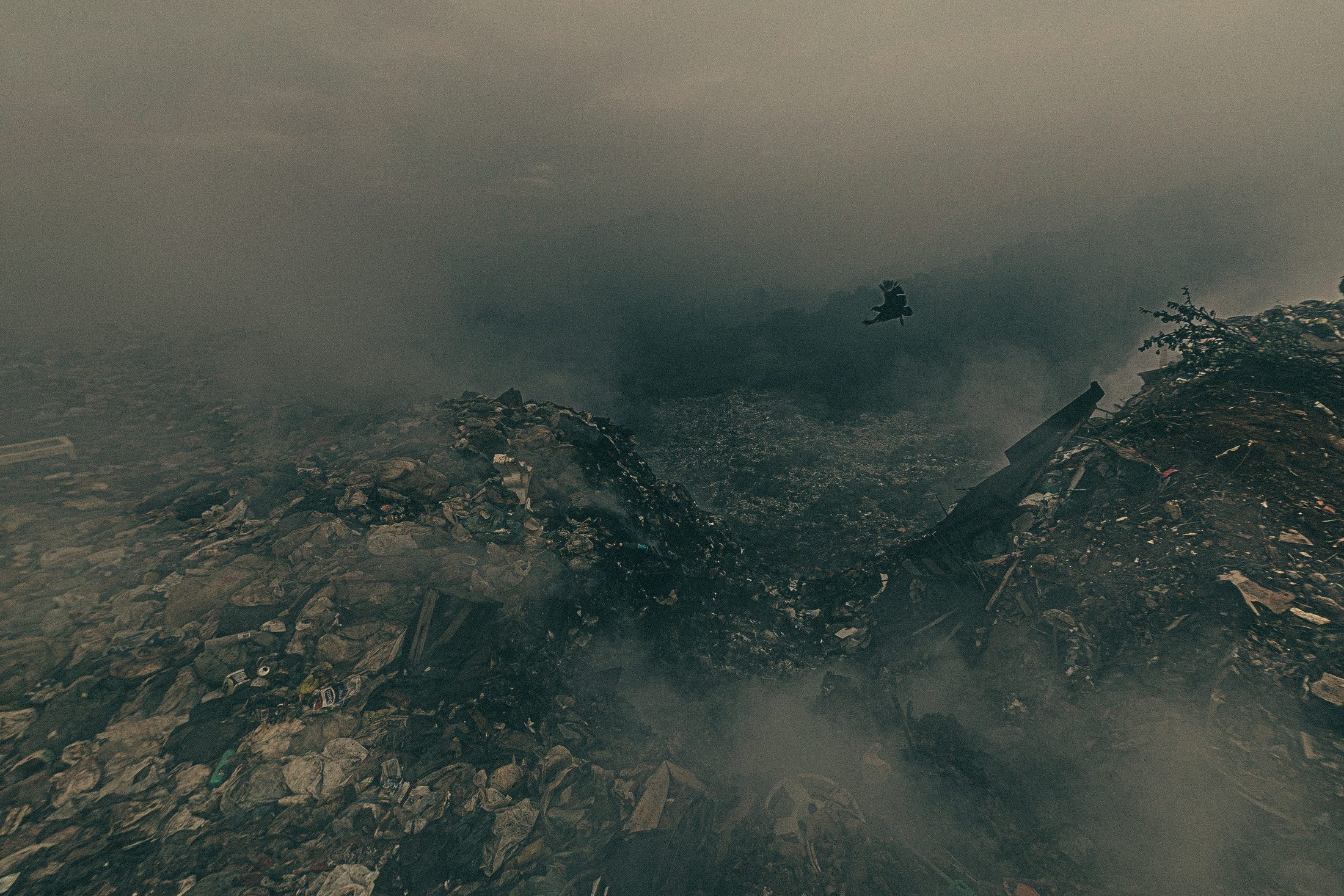
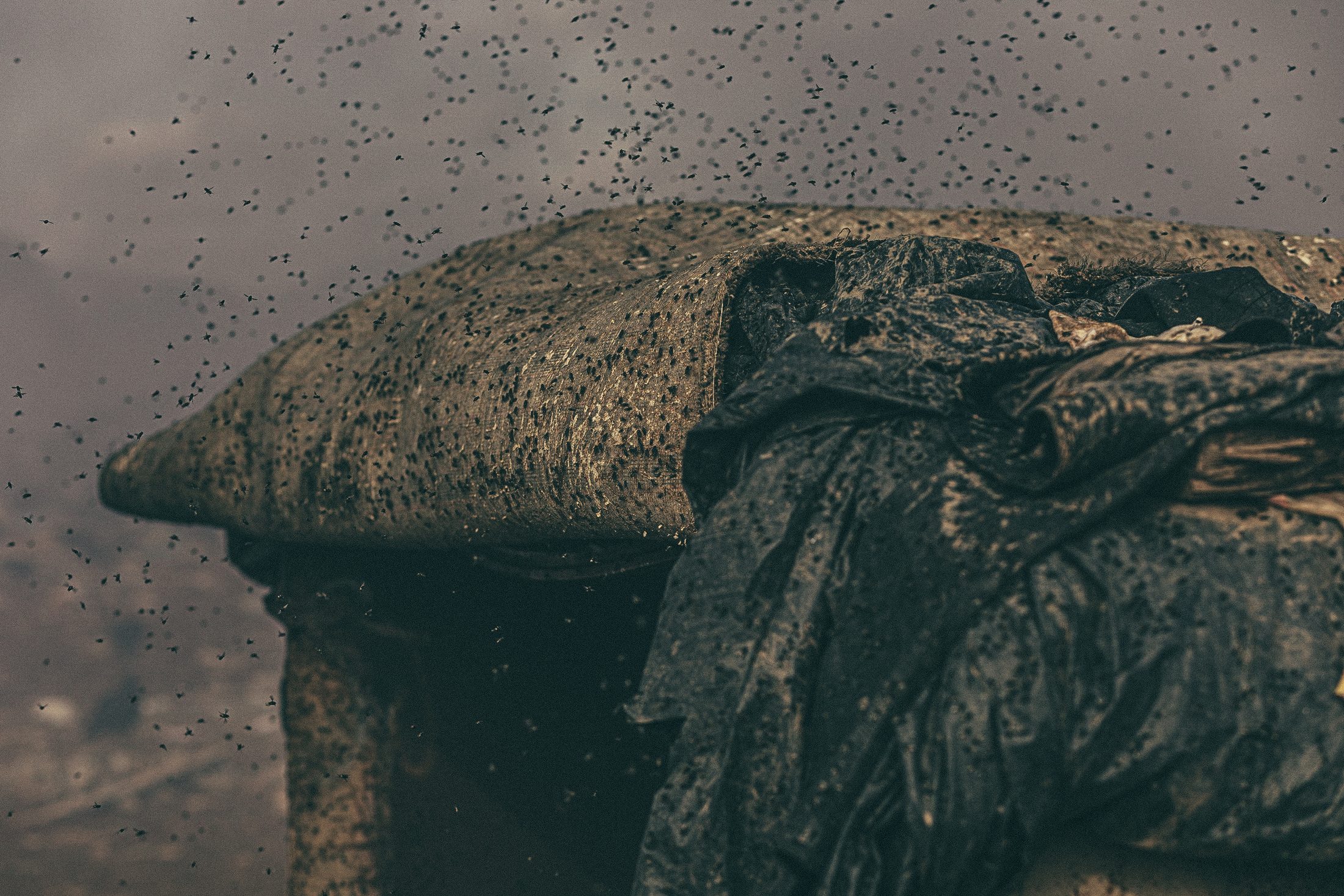
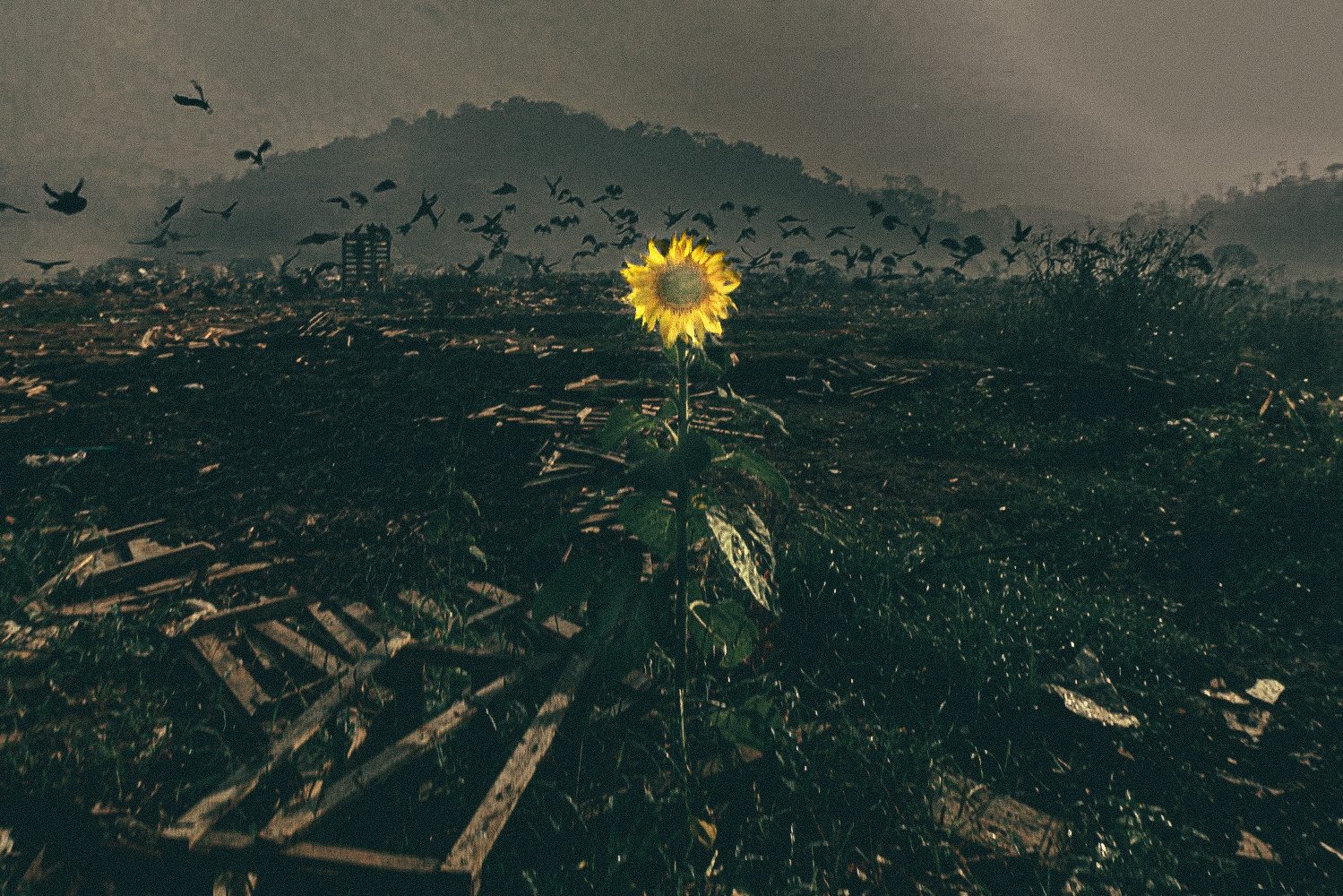
I do not want to romanticise what I found. There is violence in a society that accumulates and discards while so many people must seek their livelihood in what others throw away. Separating our waste matters. So does recognising those who handle it after it leaves our sight—and questioning the conditions in which that work takes place.
I began by asking where my waste went. That question led me to look at the people who were there.